

Learn more about
Our Materials
We craft our collections from carefully selected raw materials. Here you can find more information about the types, origins and characteristics of the materials we use.
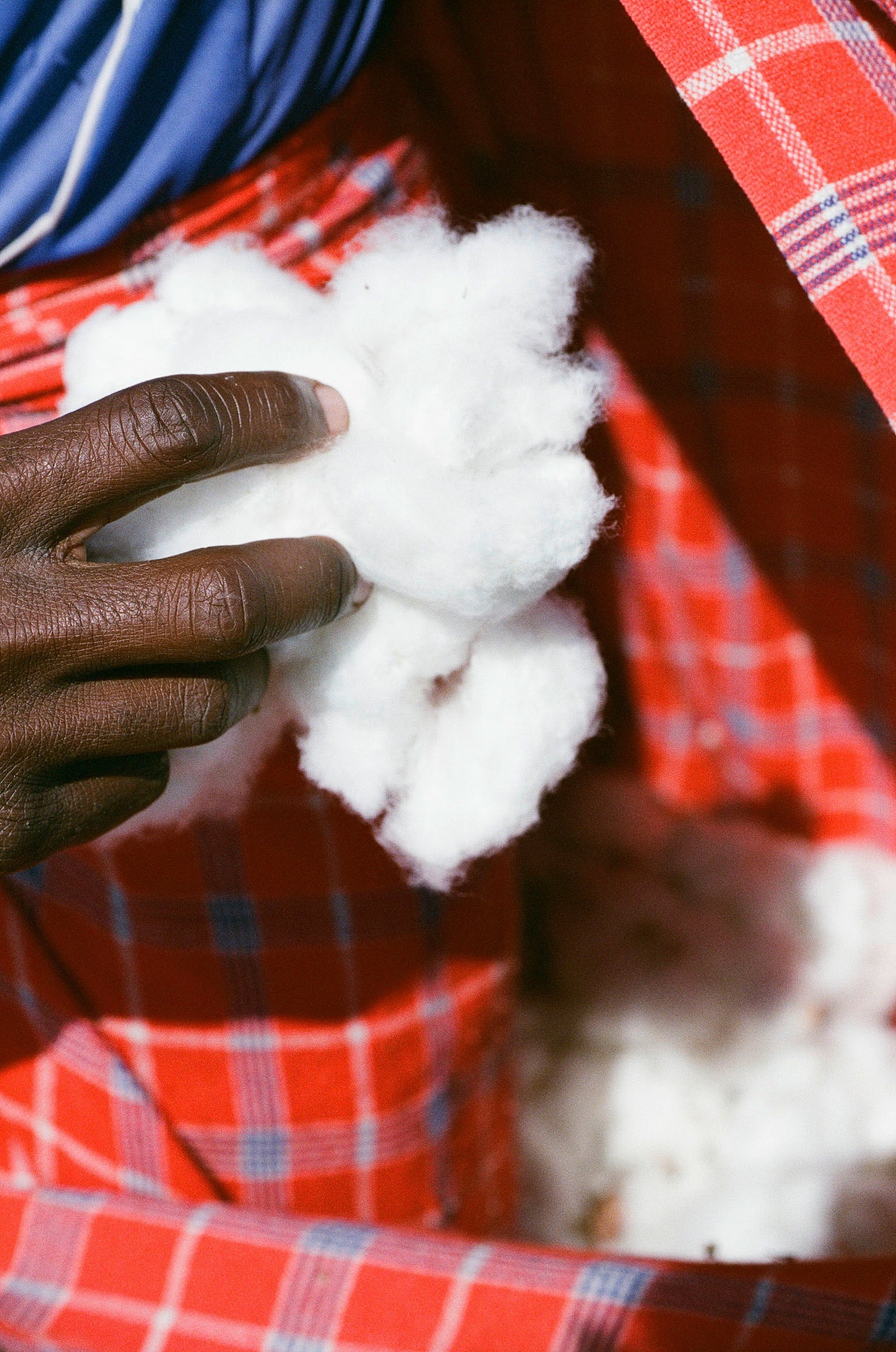
Organic Cotton.
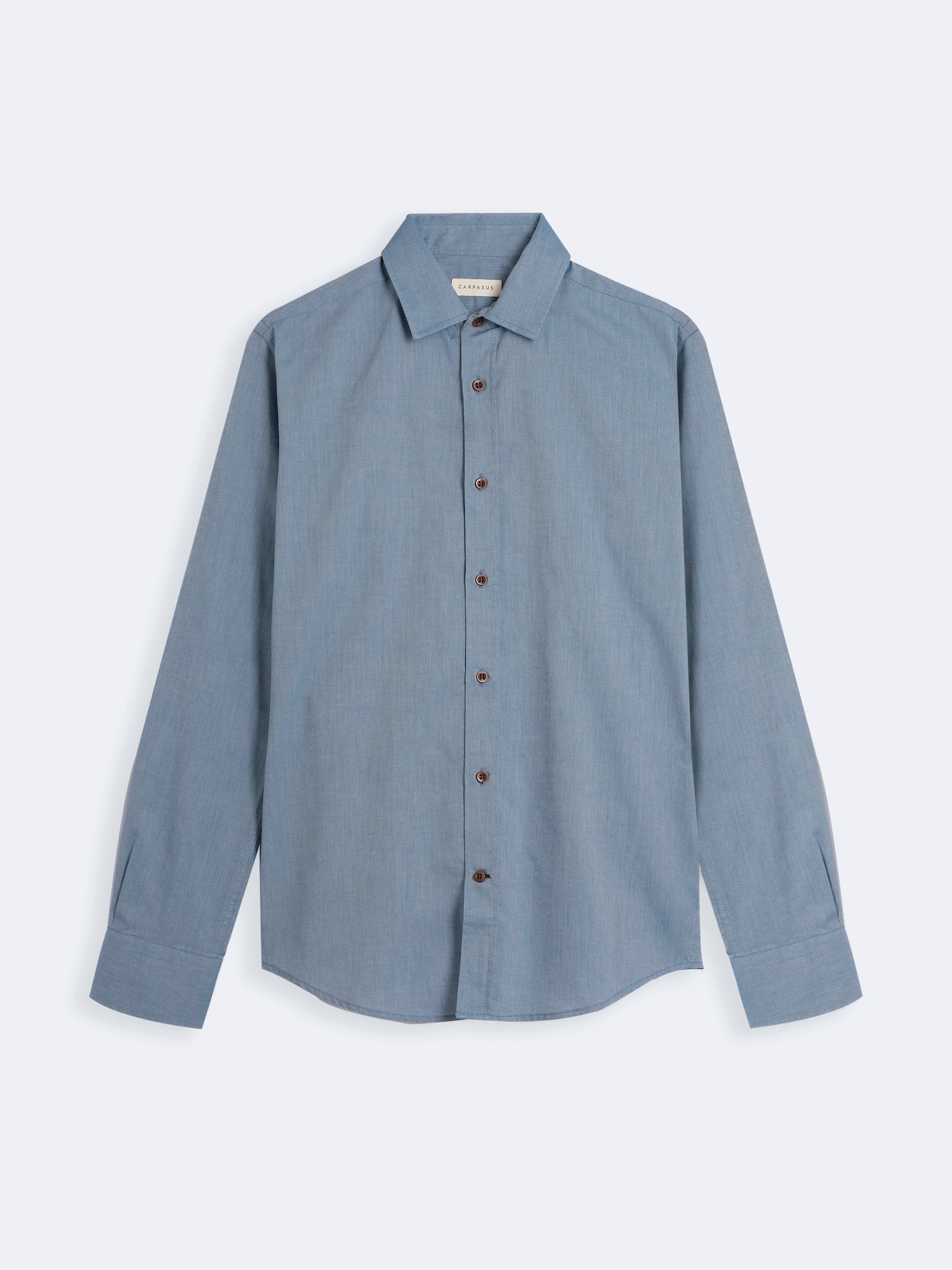
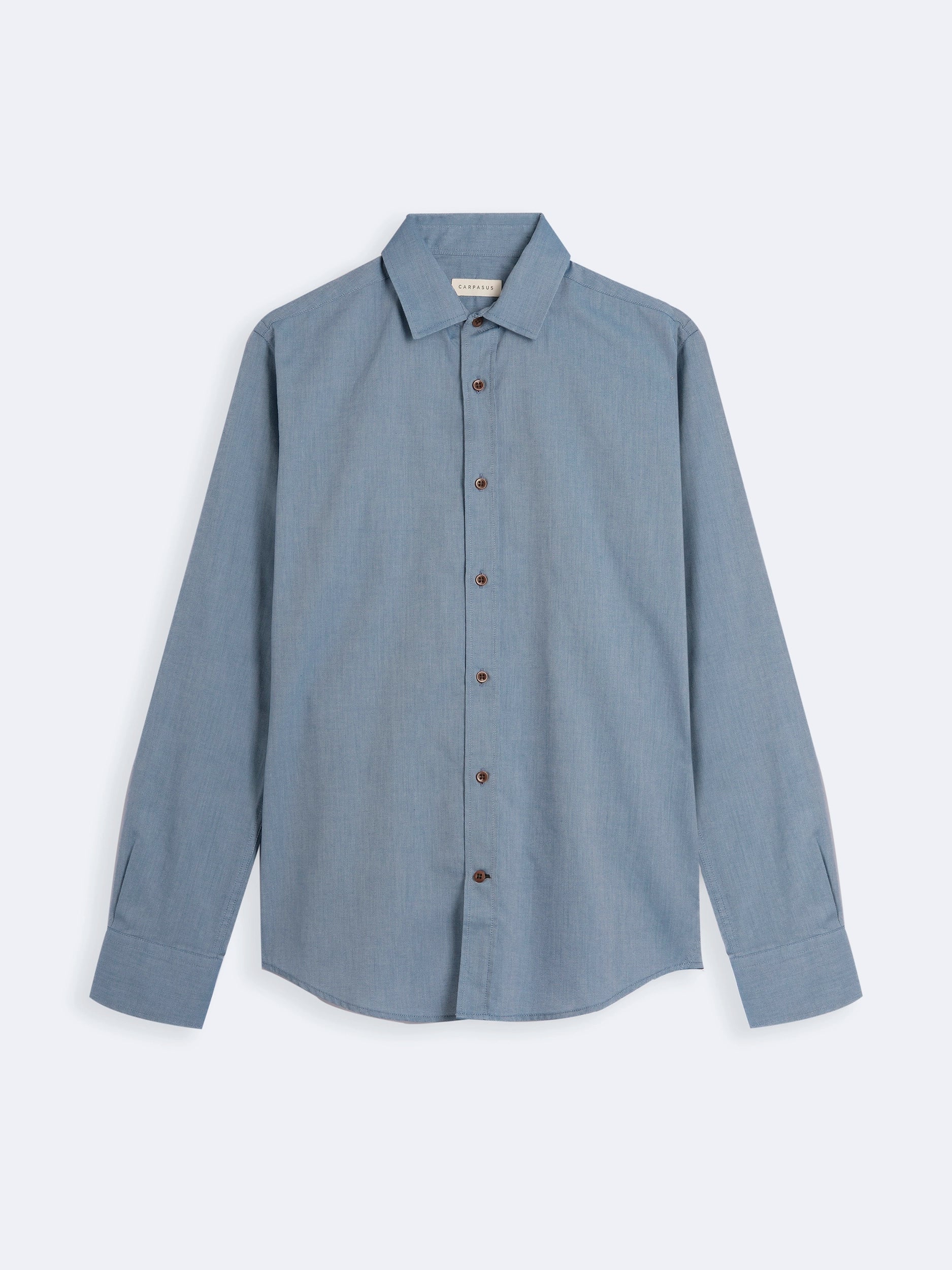
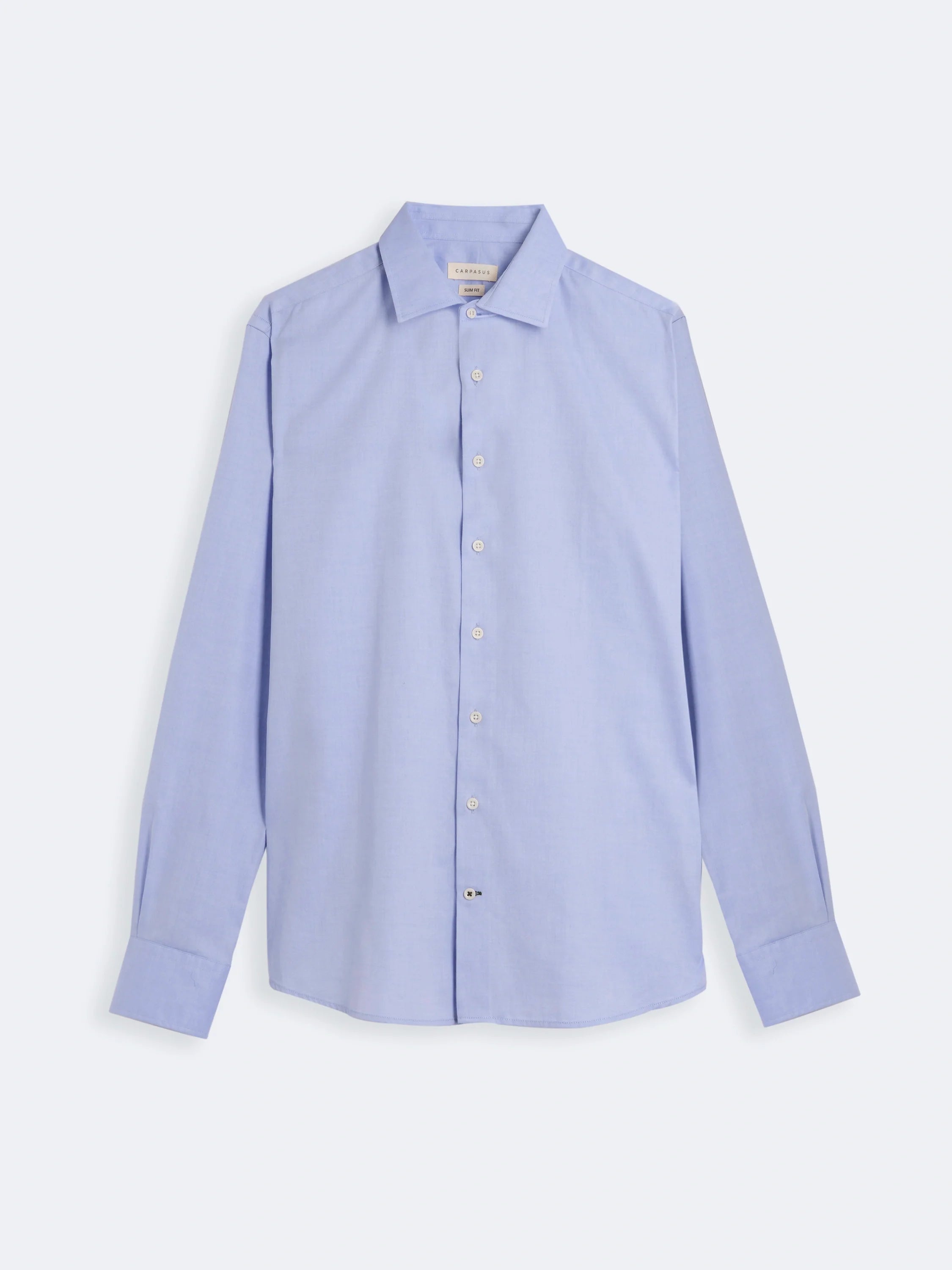
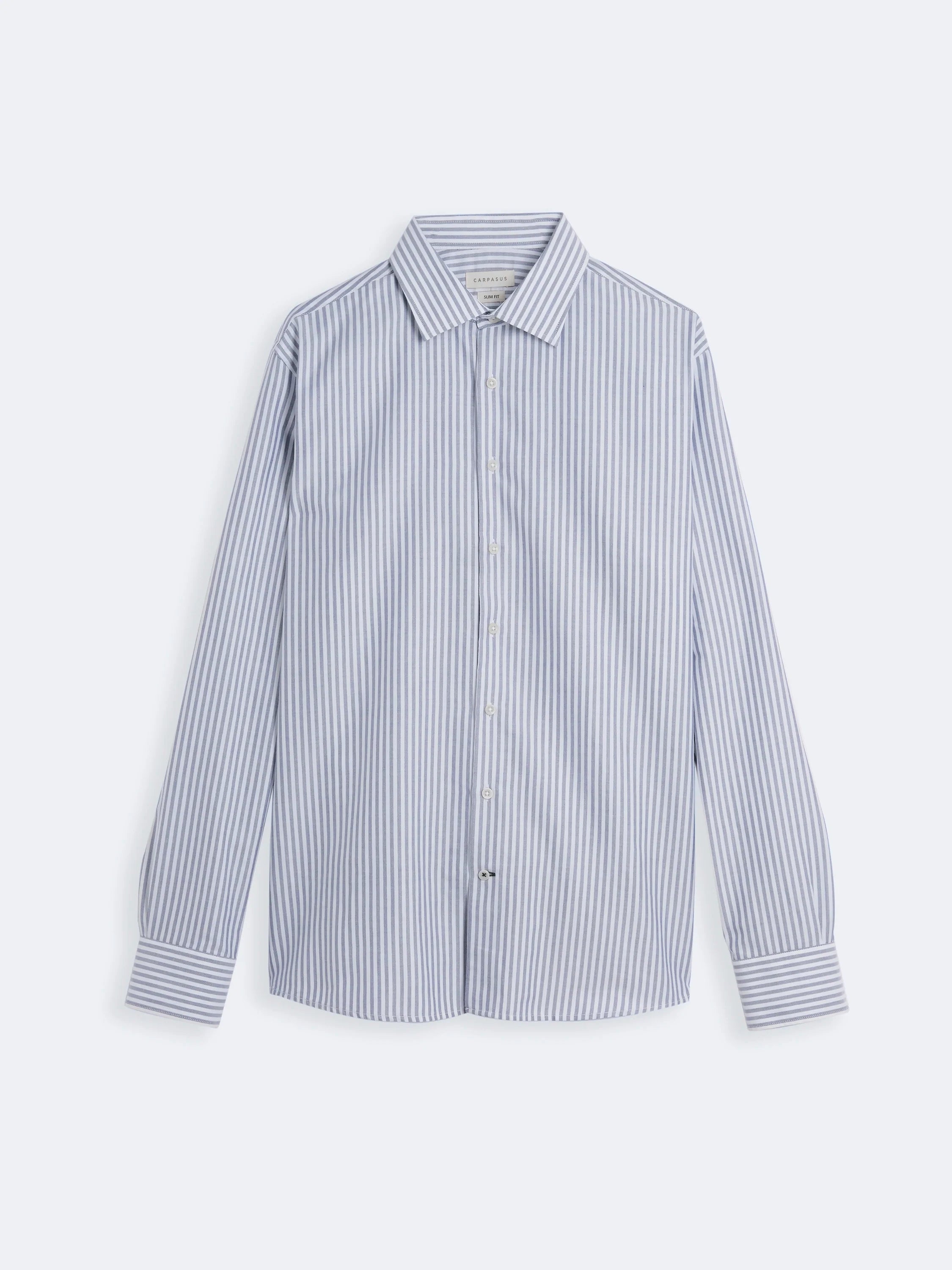
All our cotton shirts are made from certified organic cotton. Sometimes we add recycled cotton yarns. Organic cotton is grown without synthetic pesticides, herbicides, synthetic fertilizers or GMO seeds.
Instead, organic farmers use natural fertilizers and pest control. They also practice crop rotation which means that they also grow soy, wheat or other crops. This leads to healthier soils and gives farmers an additional source of income.
The organic cotton we use for our shirts is GOTS certified. The GOTS certification sets requirements for the processing and production of organic fibres throughout the supply chain.
Organic farming protects nature
The organic cultivation of cotton does not allow the use of genetically modified seeds, the use of pesticides, herbicides, insecticides and synthetic fertilizers. In most cases, organic cotton is grown in smallholder structures. The organic farmers have all the resources they need for fertilizing and protecting their crops on their farms.
Instead of synthetic fertilizers, organic farmers use natural fertilizers such as cow manure. They might also prepare their own substances for pest controls from plants they have at hand. Intercropping with sunflowers and other plants also helps to keep pests away in a natural way. By avoiding pesticides and synthetic fertilizers, flora and fauna in the growing area is not exposed to harmful substances. (source 6)
Organic farming protects farmers
Not only does the growth of organic cotton protect farming communinities from harmful substances it can also make them more independent. 70% of the cotton acreage is cultivated with genetically modified cotton (3). Genetically modified cotton seeds were originally developed to guarantee protection against pests such as the boll weevil. However, because the pests become resistant or populations of other harmful insects have increased, pesticides cannot be avoided. As a result, farmers have high expenses for the purchase of synthetic fertilizers and pesticides. They also have to buy the genetically modified seeds every year, which forces them to become dependent on the agrochemical companies. (4)
Organic farmers can reuse the cotton seeds of their harvest for the next sowing season. This means that they have no expenses for genetically modified seeds, fertilizers and pesticides and do not have to take up loans for their procurement. Organic farming also prescribes crop rotations. Monocultures are not allowed. In addition to cotton, organic farmers also rely on other crops such as maize, soybeans, and wheat to compensate for possible losses and improve their livelihood. (6)
Organic farming leads to healthier soils
Soils are less polluted when natural fertilizers instead of synthetic fertilizers are used, when pesticides are not applied and crop rotation is practiced. Soil fertility increases, which is particularly reflected in a higher humus content. As a result, the water capacity is higher and the soils can store more water and are therefore more resistant to drought. (6)
Lower water consumption
Cotton is generally a water-intensive crop. Today it grows in countries such as Turkey, India, China, the USA, Pakistan, Tansania or Uzbekistan. Globally, depending on the growing region, 10'000 to 20'000 liters of water are needed to grow one kg of cotton (7) In most cases, the plants must be artificially irrigated to cover water consumption. This high water consumption is called “blue water”, which describes the water that is taken from lakes, streams or rivers or from groundwater. The vanishingly small Aral Sea in Uzbekistan is evidence of the overuse of water sources caused by agriculture and cotton cultivation in particular. The lake has given way to a salt desert today.
Some studies have found that organic cotton cultivation uses up to 91% less groundwater than conventional cultivation (8). In our opinion, this number should be treated with caution, since the possibility of rain irrigation certainly depends on the geographic location and not purely on whether it is organically grown or not. However, various sources show that the majority of organic cotton is grown in areas where rain irrigation is possible and is practiced. According to Textile Exchange, 80% of the organic cotton fields are rain-irrigated. (9)
Less CO2 emissions when growing
If one measures the effects of cotton cultivation on climate change in the form of CO2 emitted, Textile Exchange found that the cultivation of organic cotton emits 46% less CO2. This is the result of the absence of synthetic fertilizers, pesticides and insecticides, which consequently do not have to be manufactured and do not have to be distributed (with vehicles). The study also takes into account the fact that smaller amounts of CO2 are generated because less irrigation is used and, accordingly, fewer water pumps have to be operated. (8)
978 kg of CO2 are emitted for 1 ton of organic cotton. For the same amount of conventional cotton, it is approx. 1’800 kg CO2. (8) For a shirt, we need around 200 g of cotton, which means about 0.2 kg of CO2 for the cultivation of the raw material. Notabene: This only reflects the cultivation and says nothing about which emissions will be emitted later for the processing and transport of the materials and the finished goods.
Sources for the above statements
(1) Quantis, 2018, Measuring Fashion
(2) Textile Exchange, 2018, Organic Market Report
(3) www.fibl.org/de/themen/biobaumwolle/biobaumwolle-hintergrund.html, accessed on 29/01/20
(4) https://www.biore.ch/darum-biore/probleme/ accessed on 29/01/20
(5) https://naturtextil.de/themen/bio-baumwolle/
(6) https://www.biore.ch/darum-biore/leistungen/ accessed on 29/01/20
(7) Soil Association, 2019, Thirsty for fashion?
(8) Textile Exchange, 2014, The Life Cycle Assessment of Organic Cotton Fiber, Summary of Findings
(9) Textile Exchange, 2017, Organic Cotton Sustainability Assessment
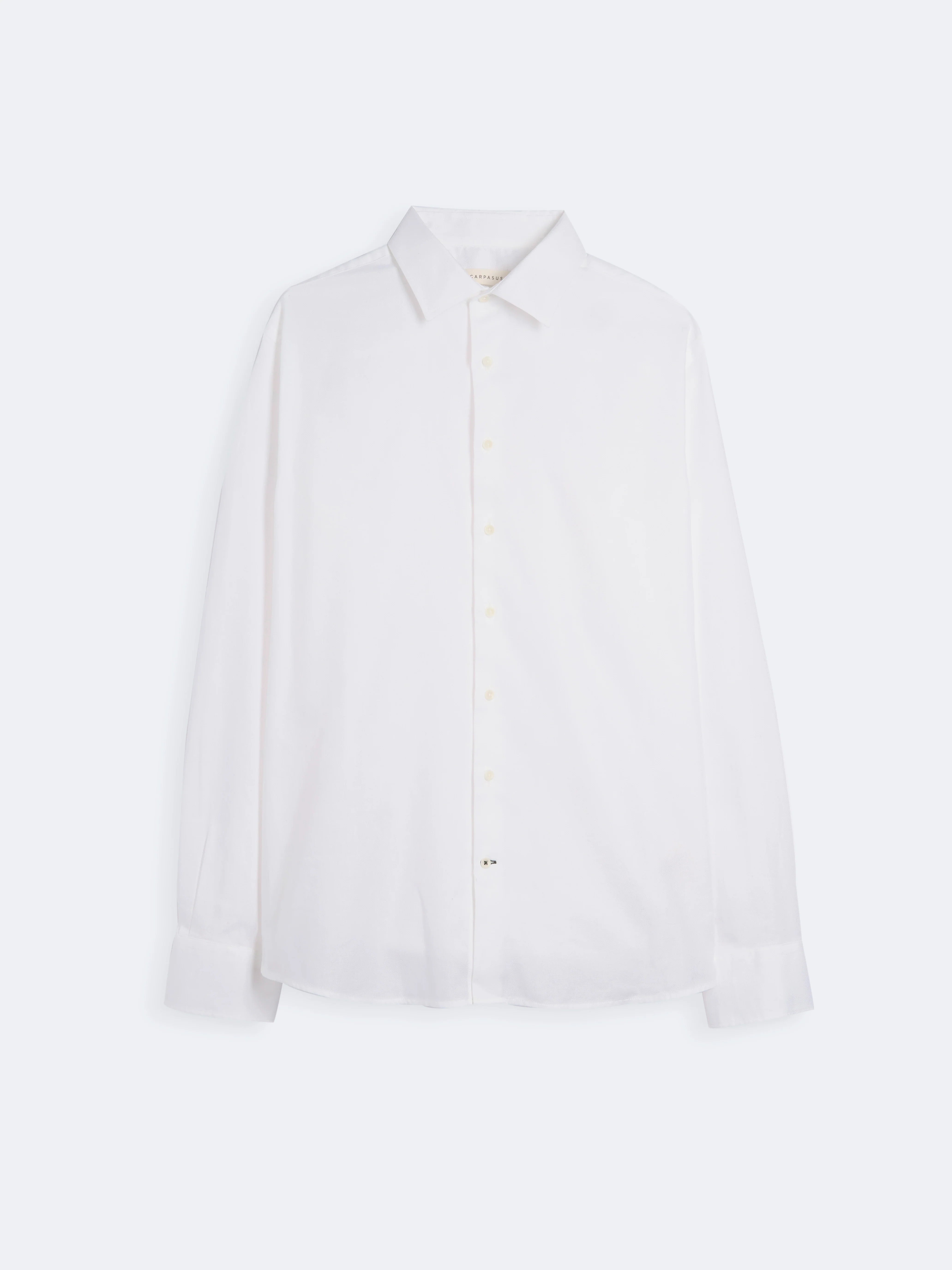
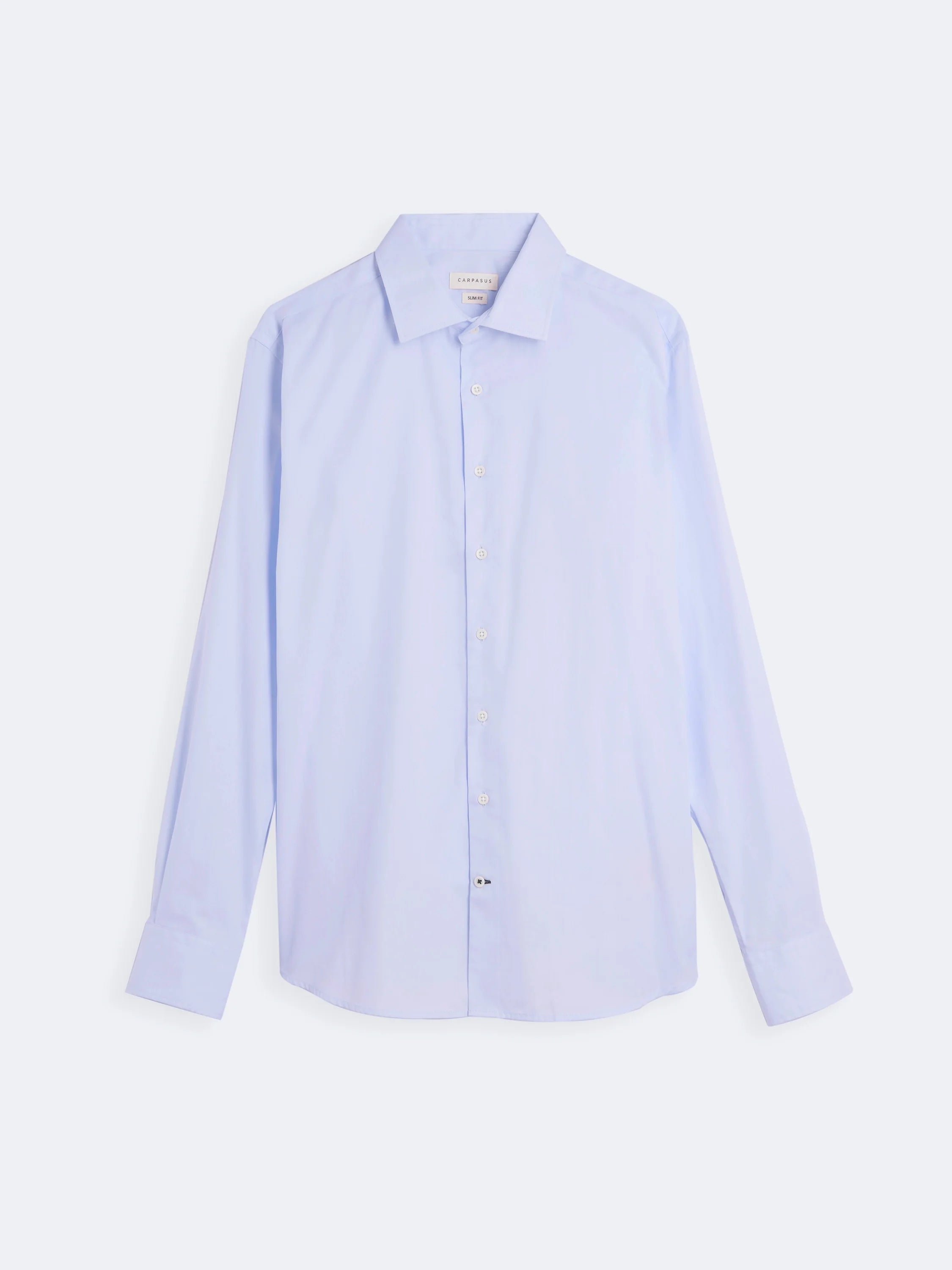
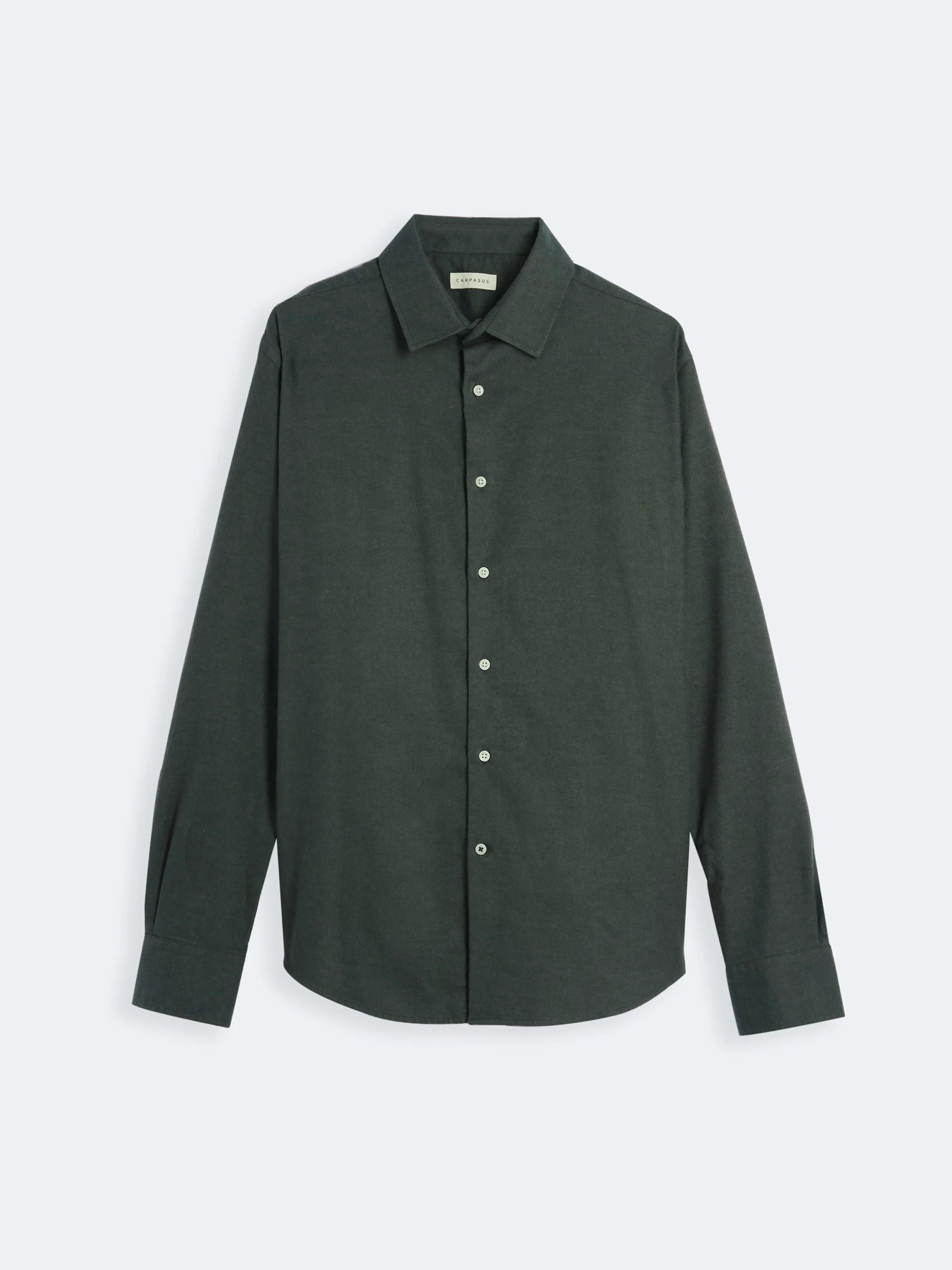
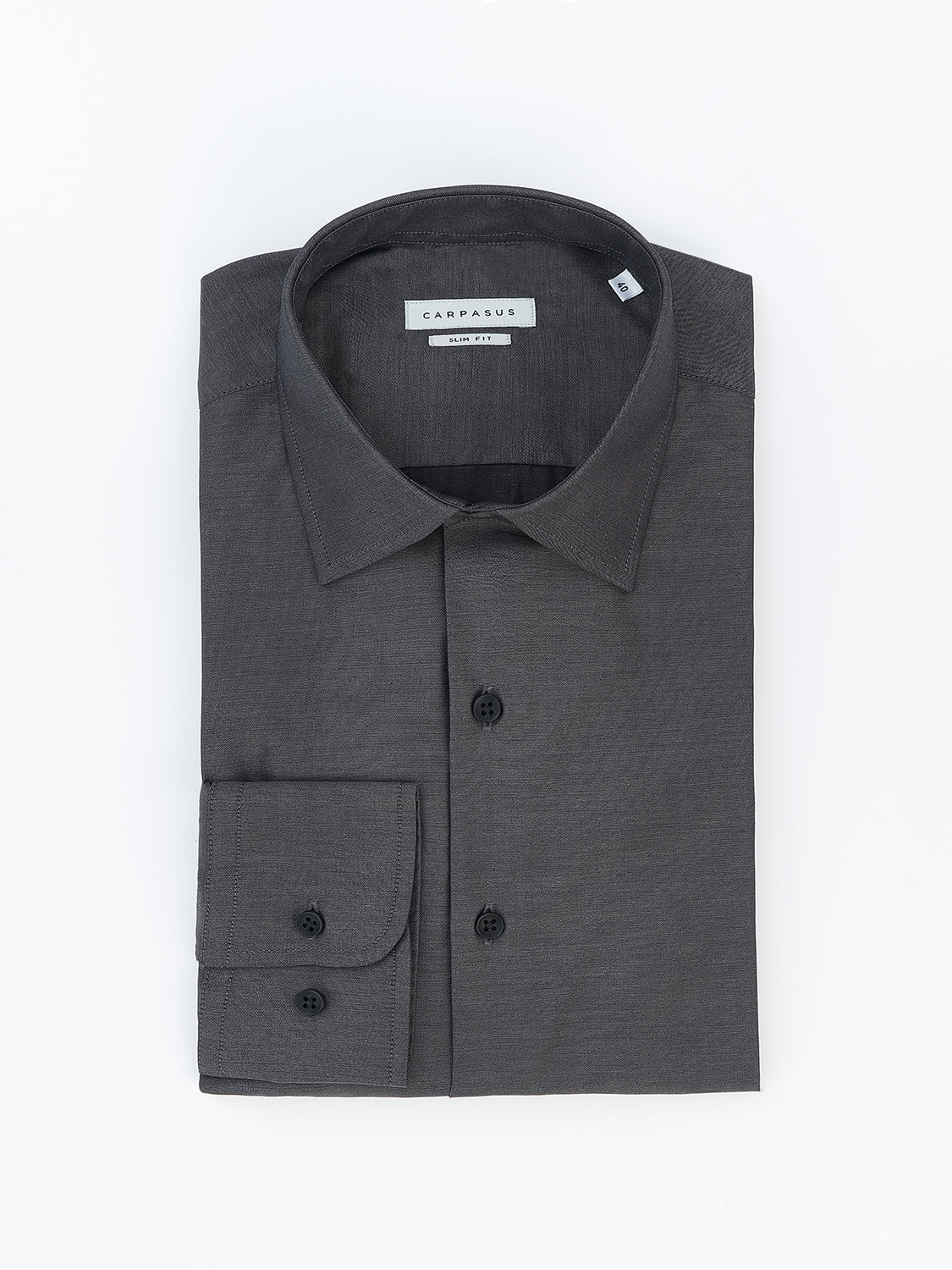
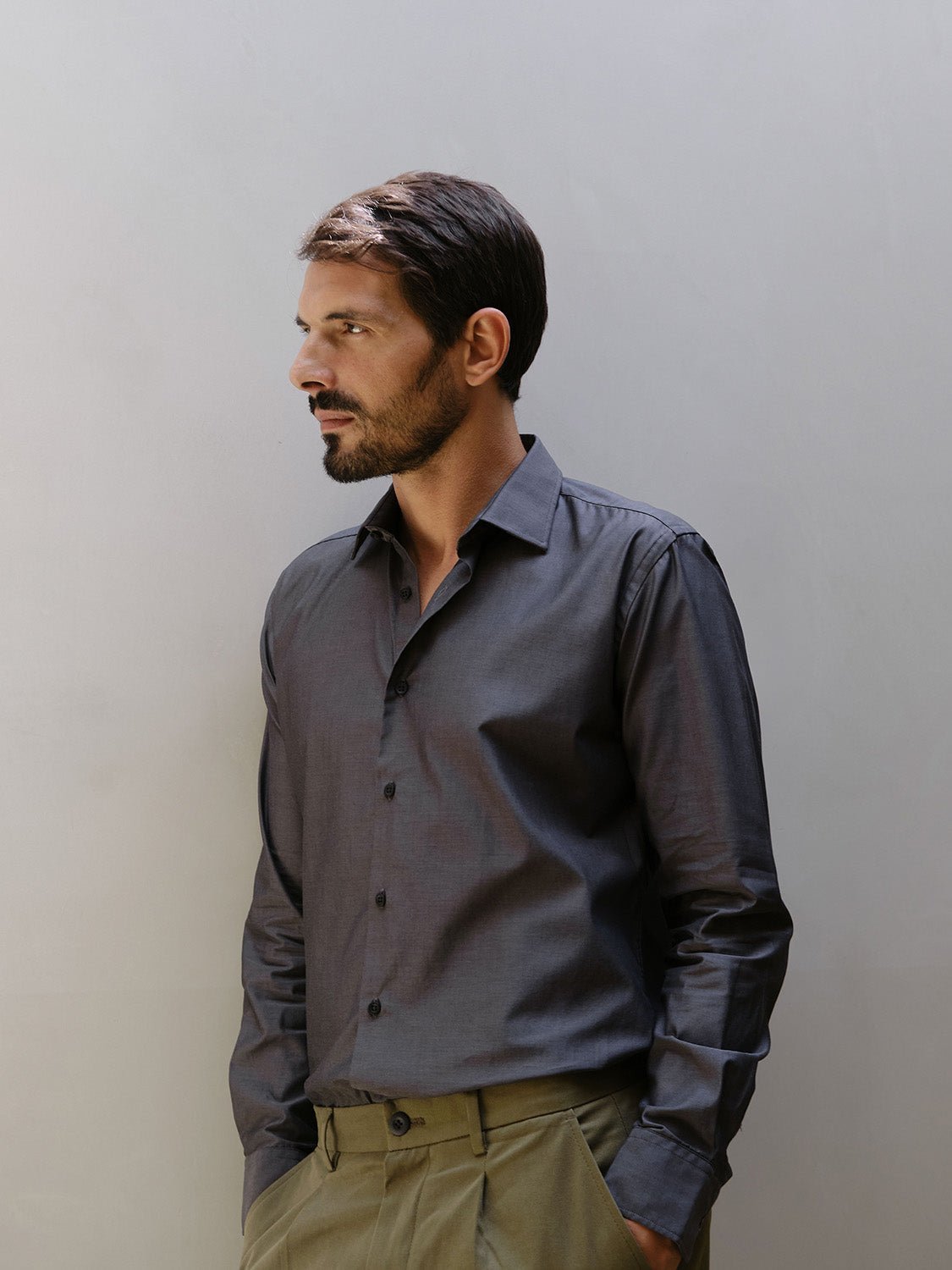
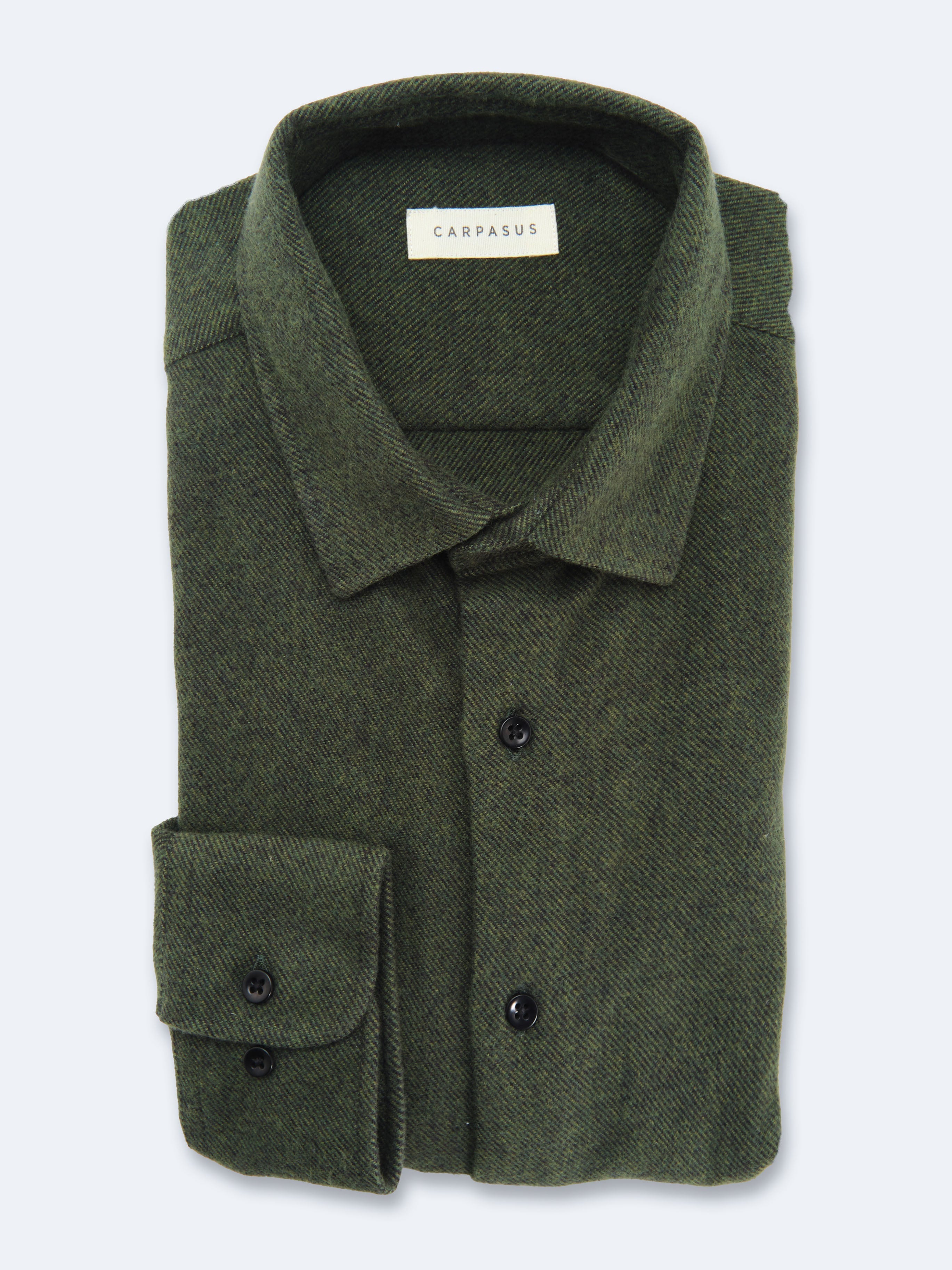
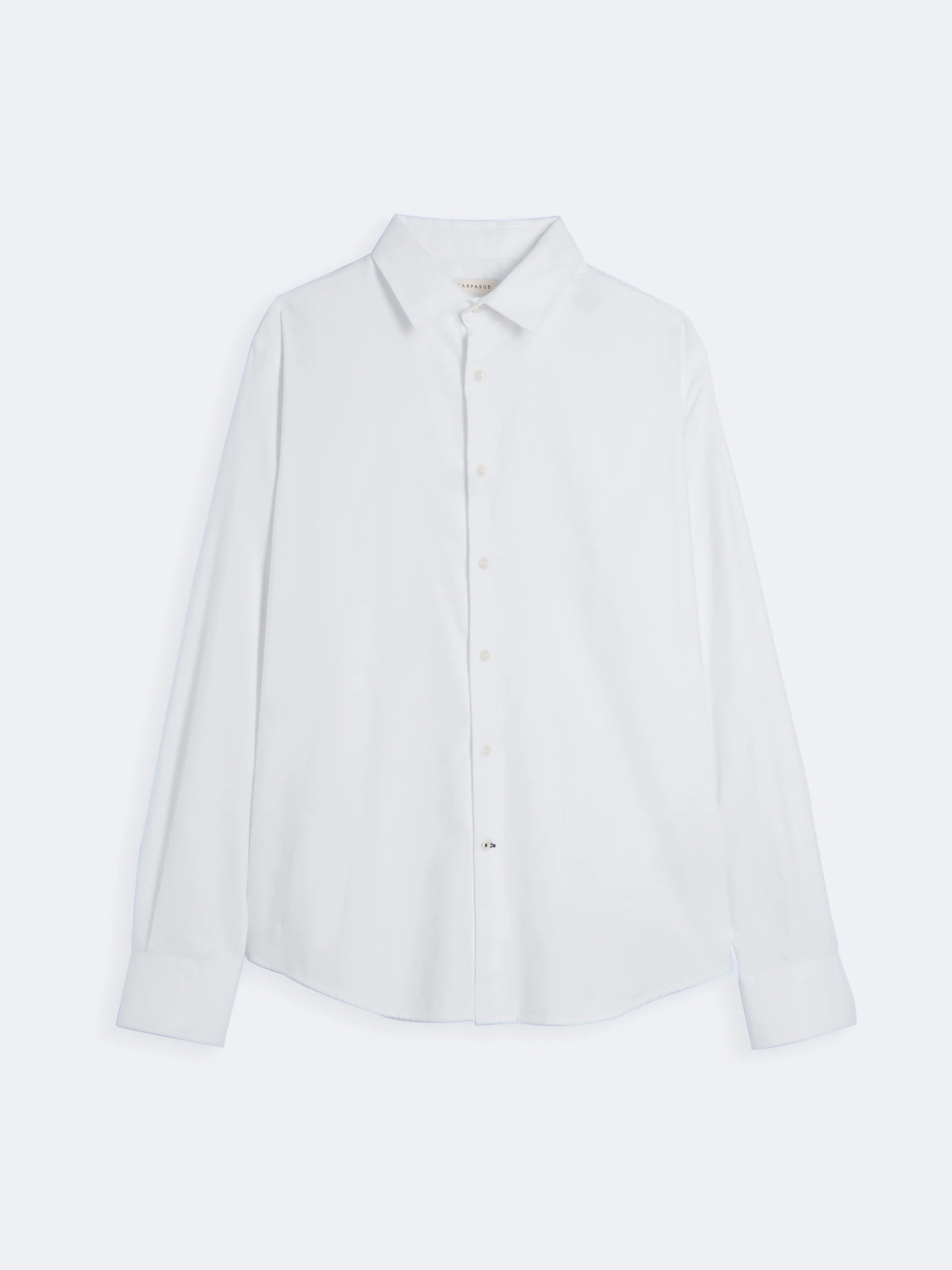
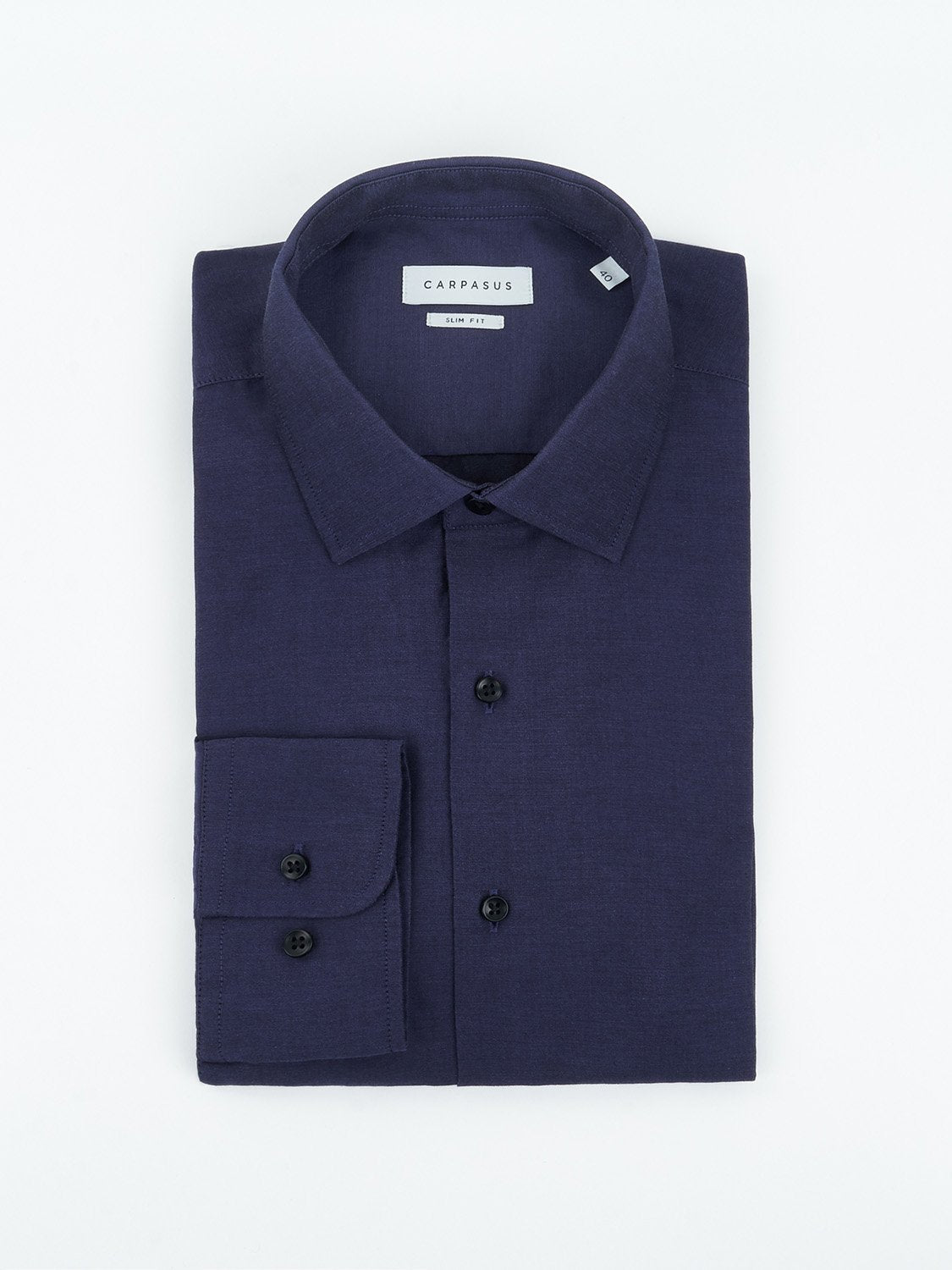
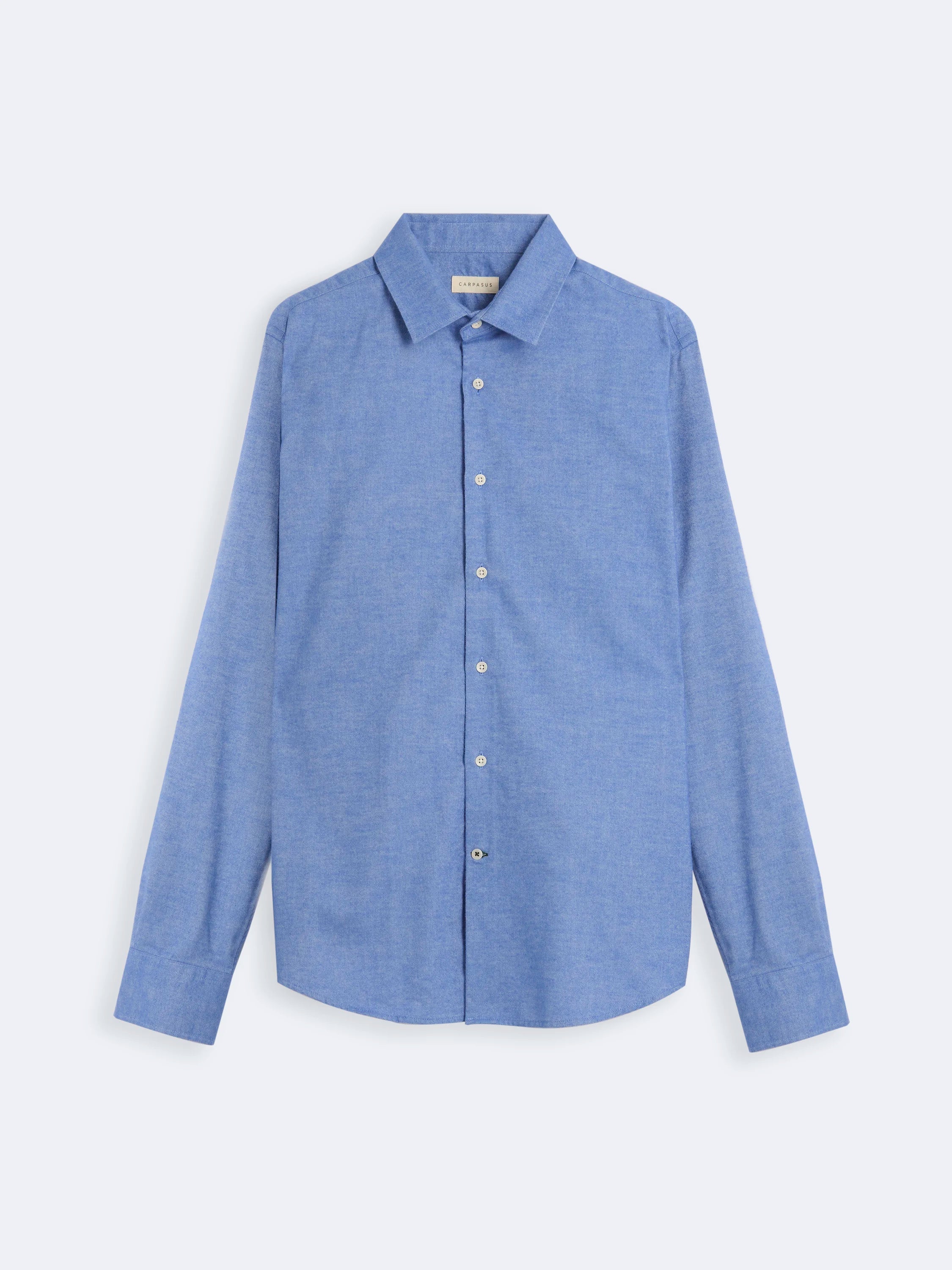
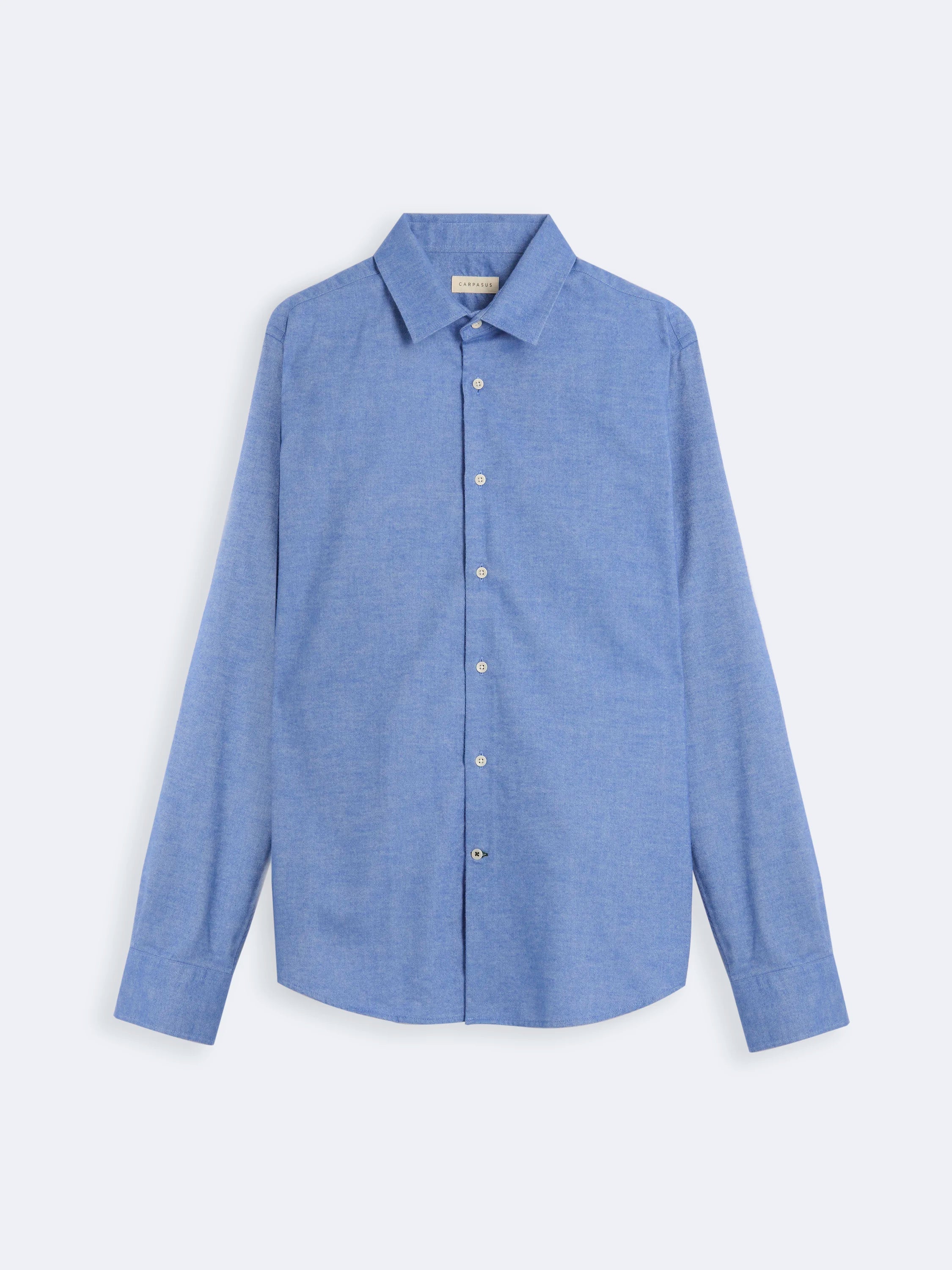
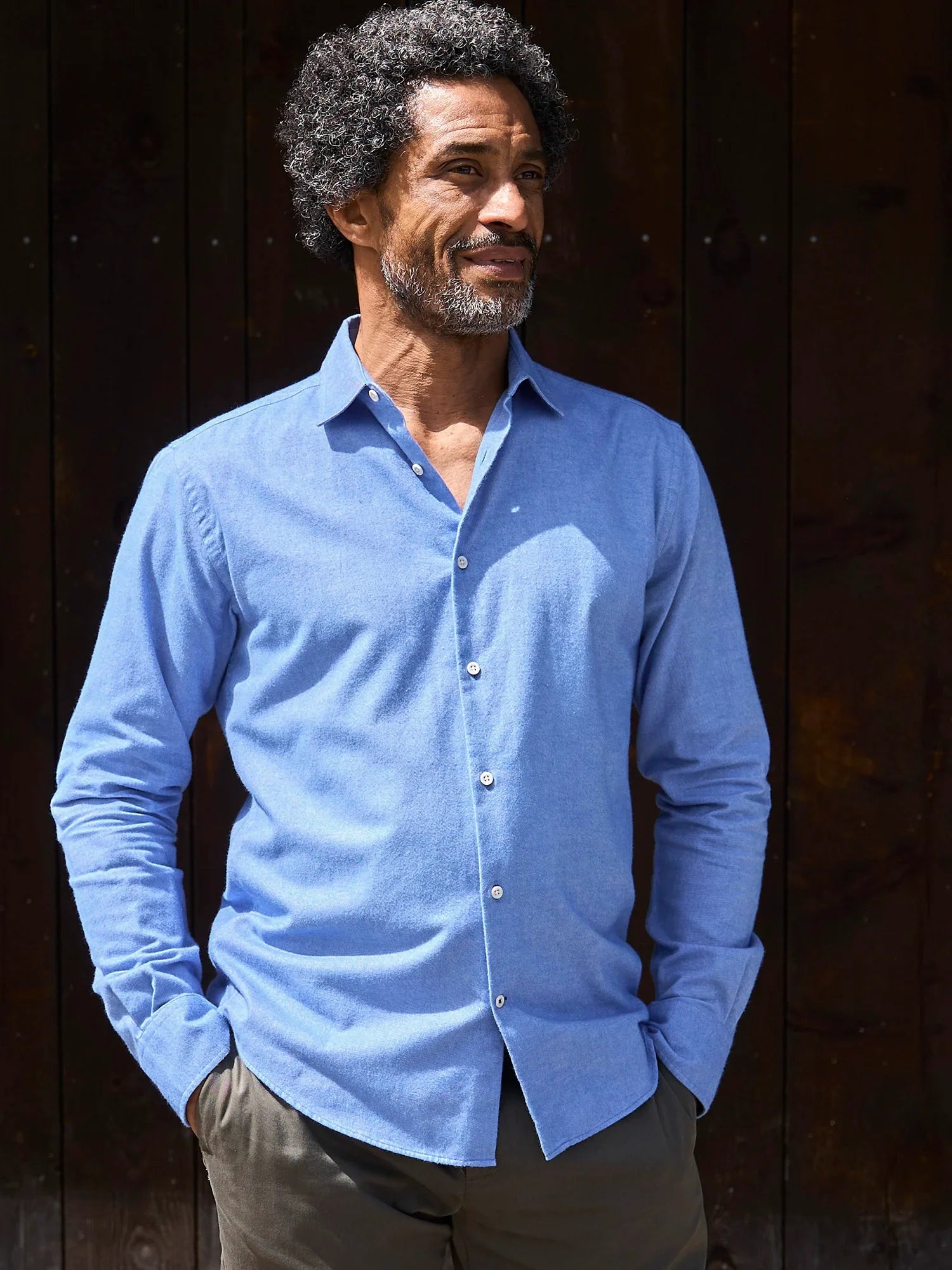
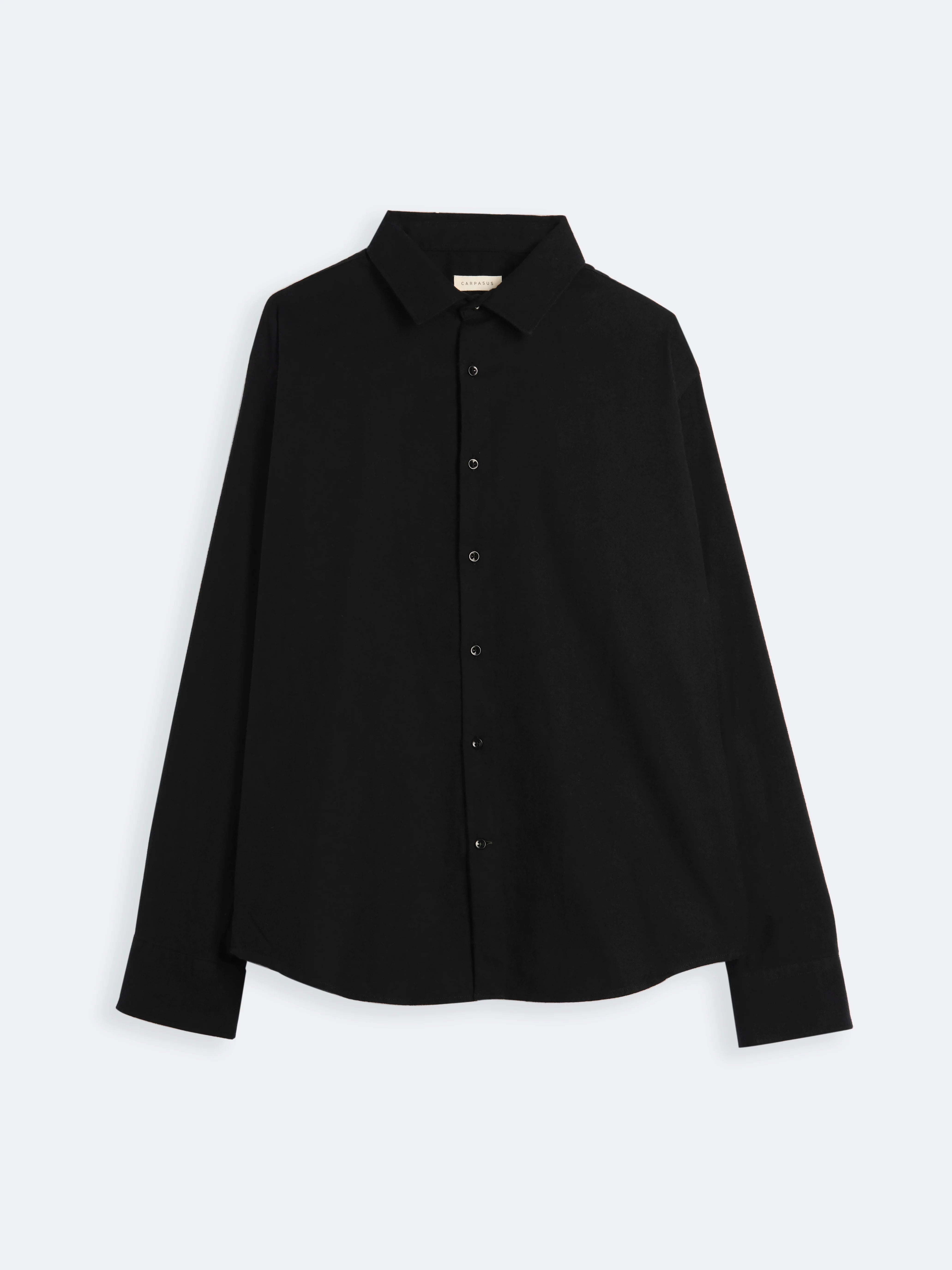
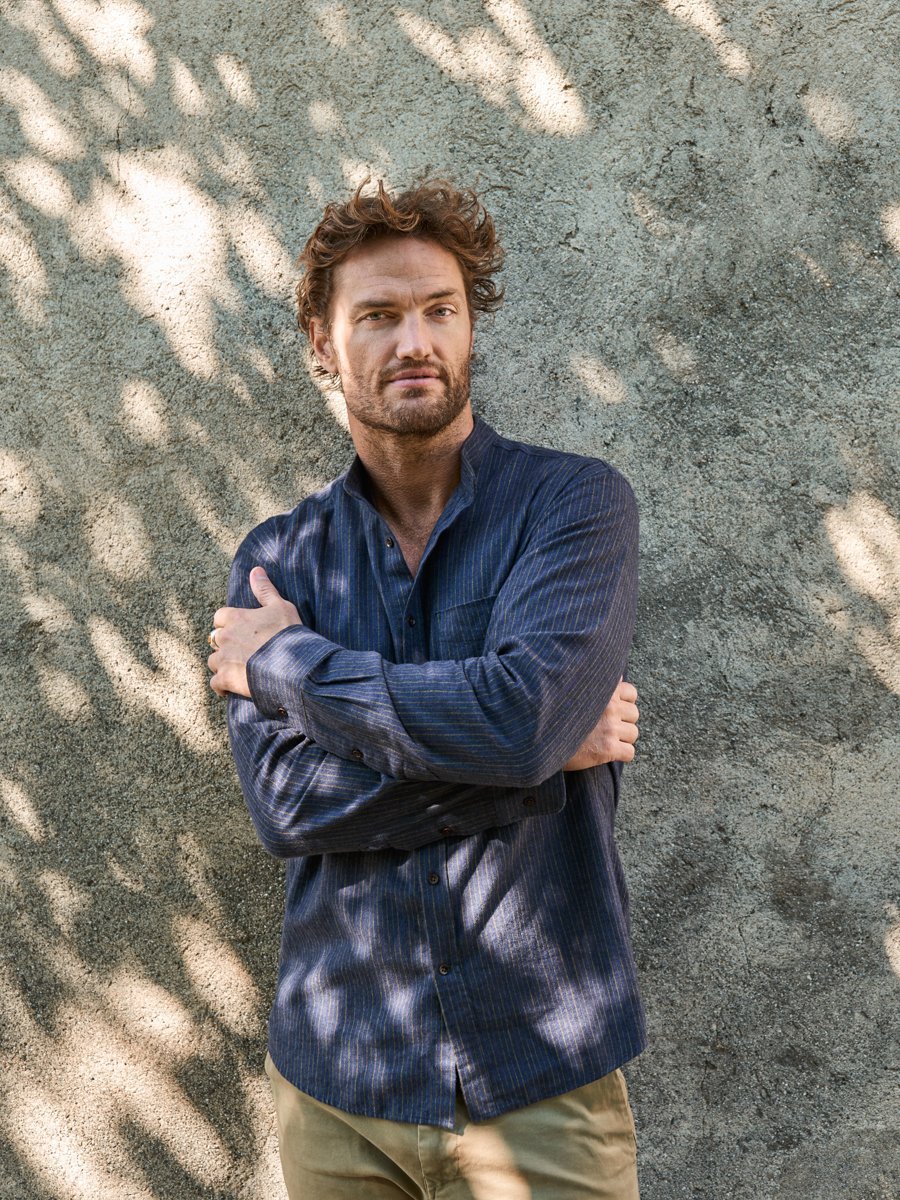
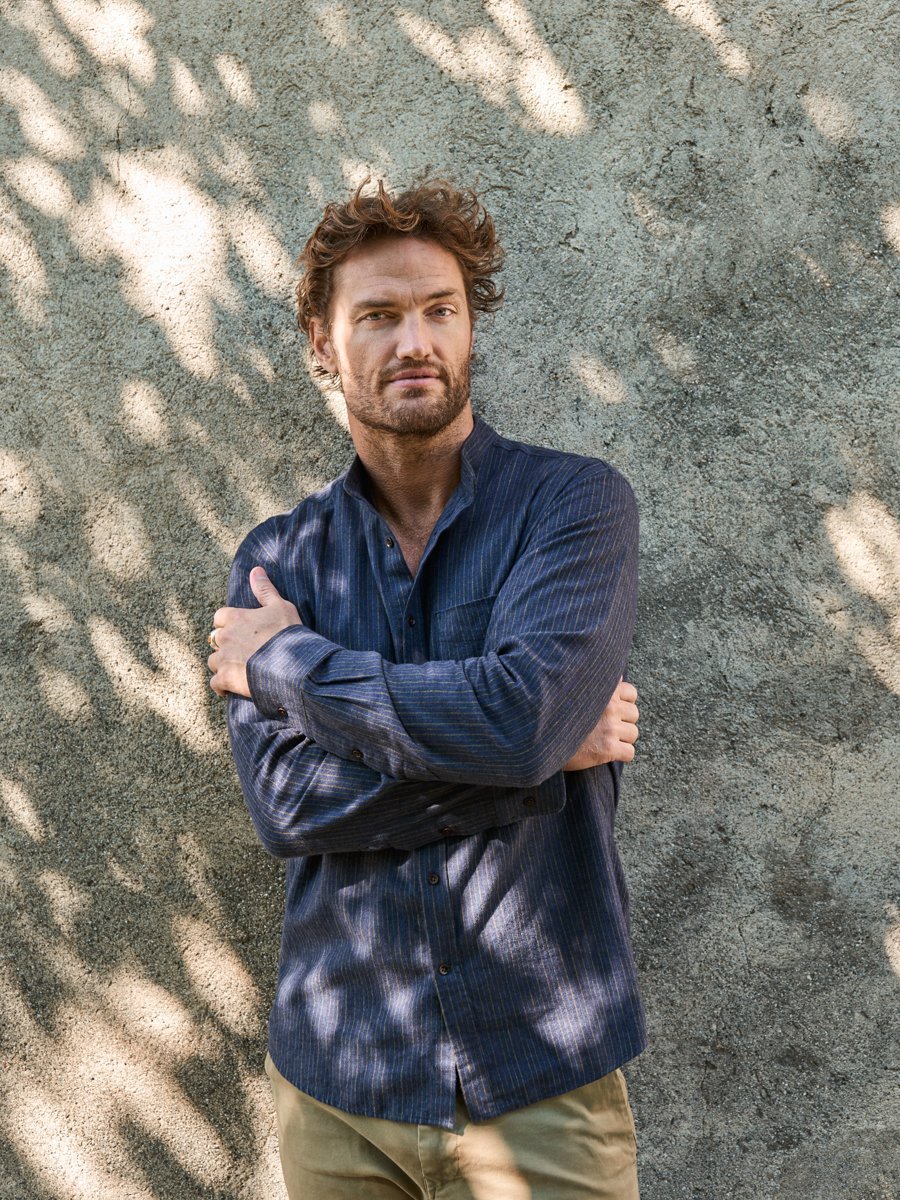
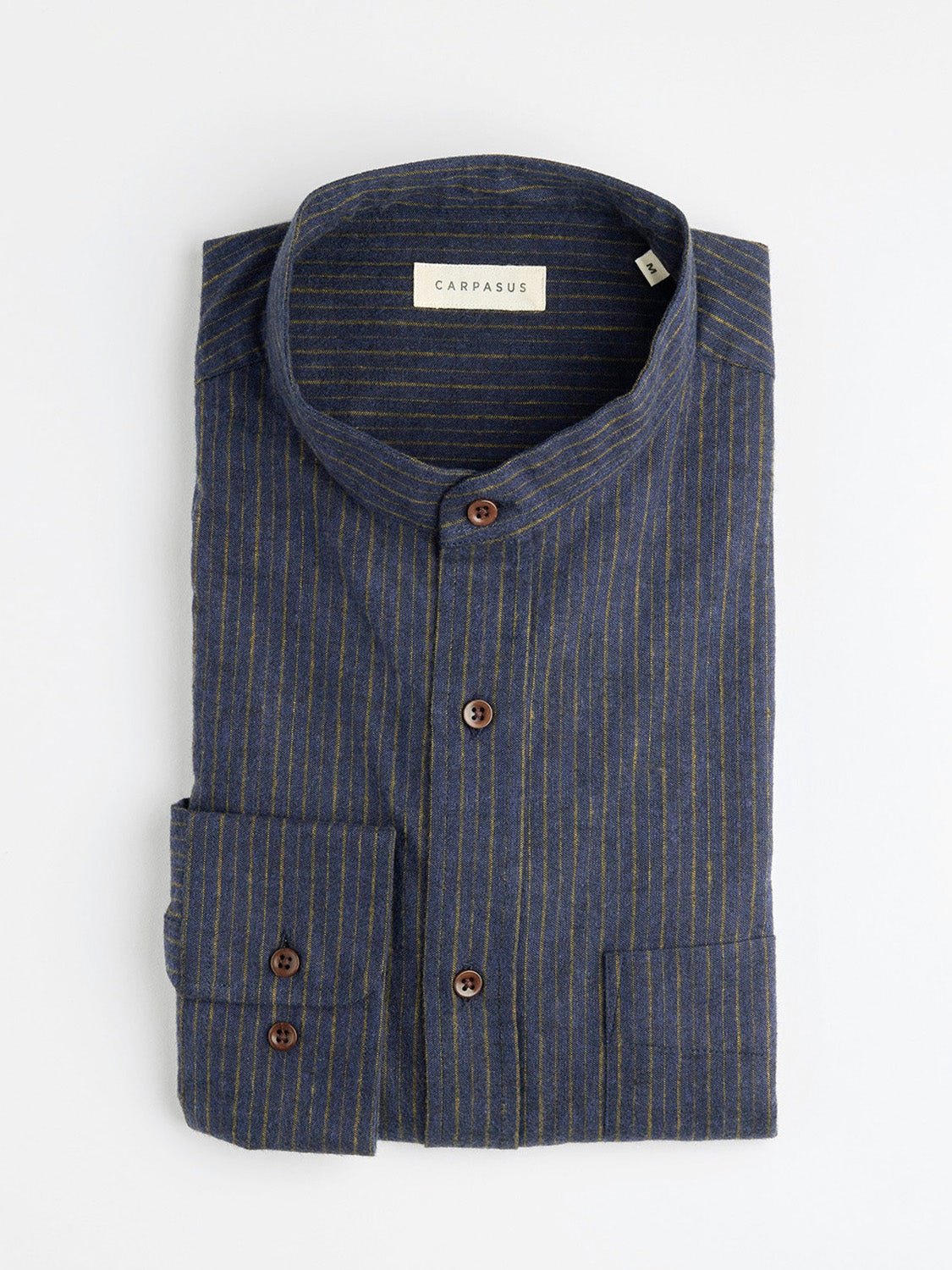
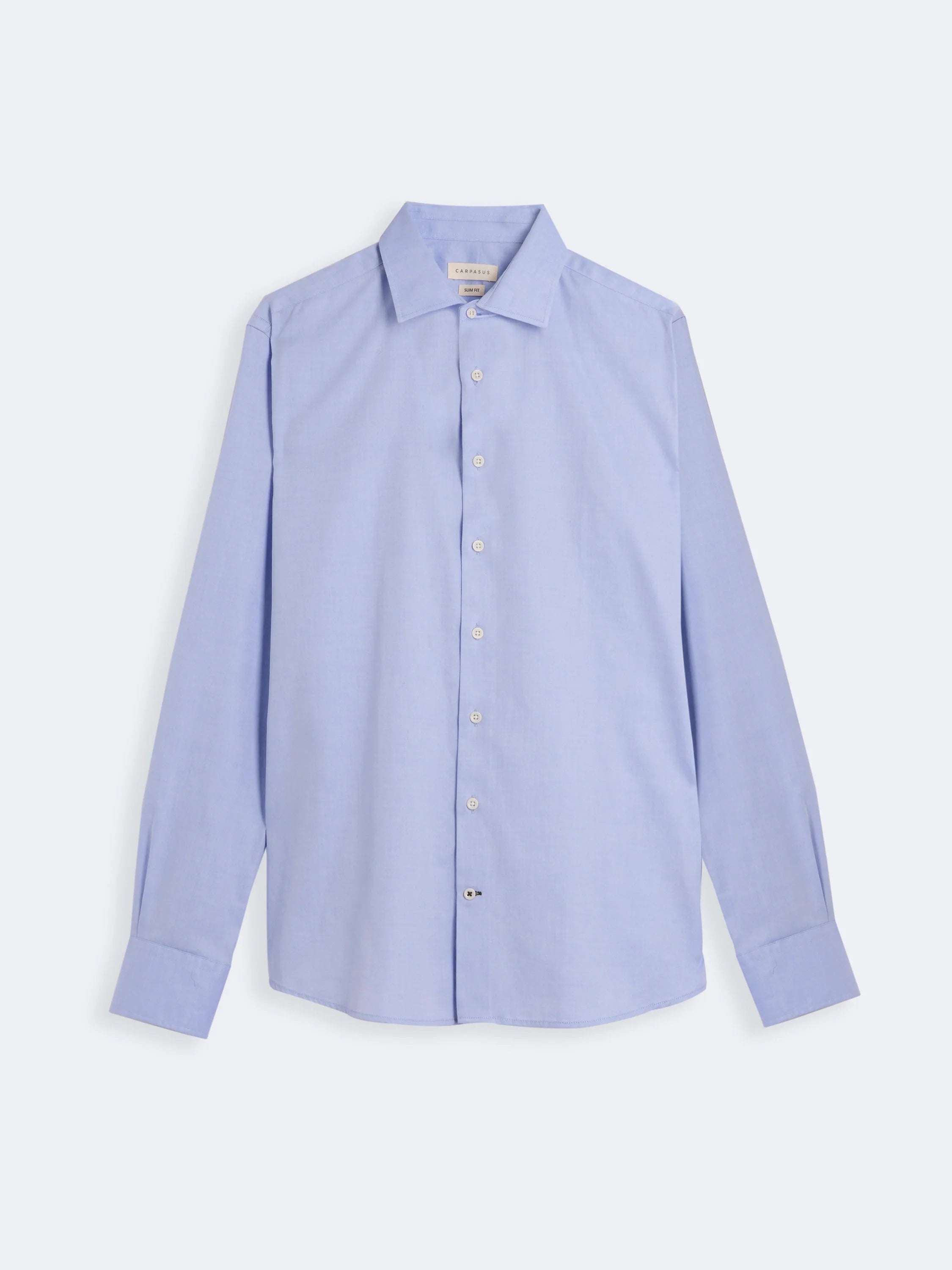
Our Organic Cotton shirts.























Linen.
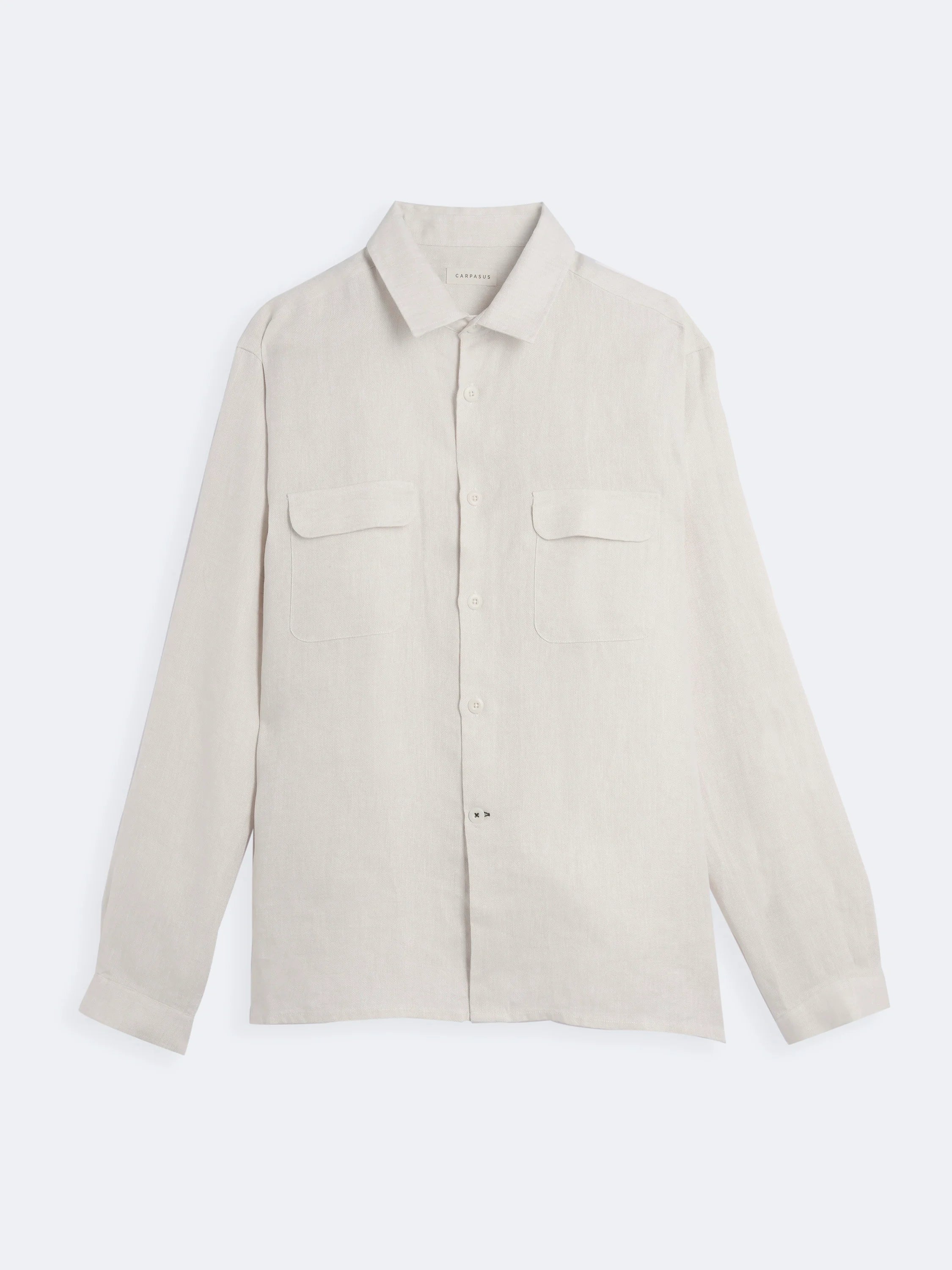
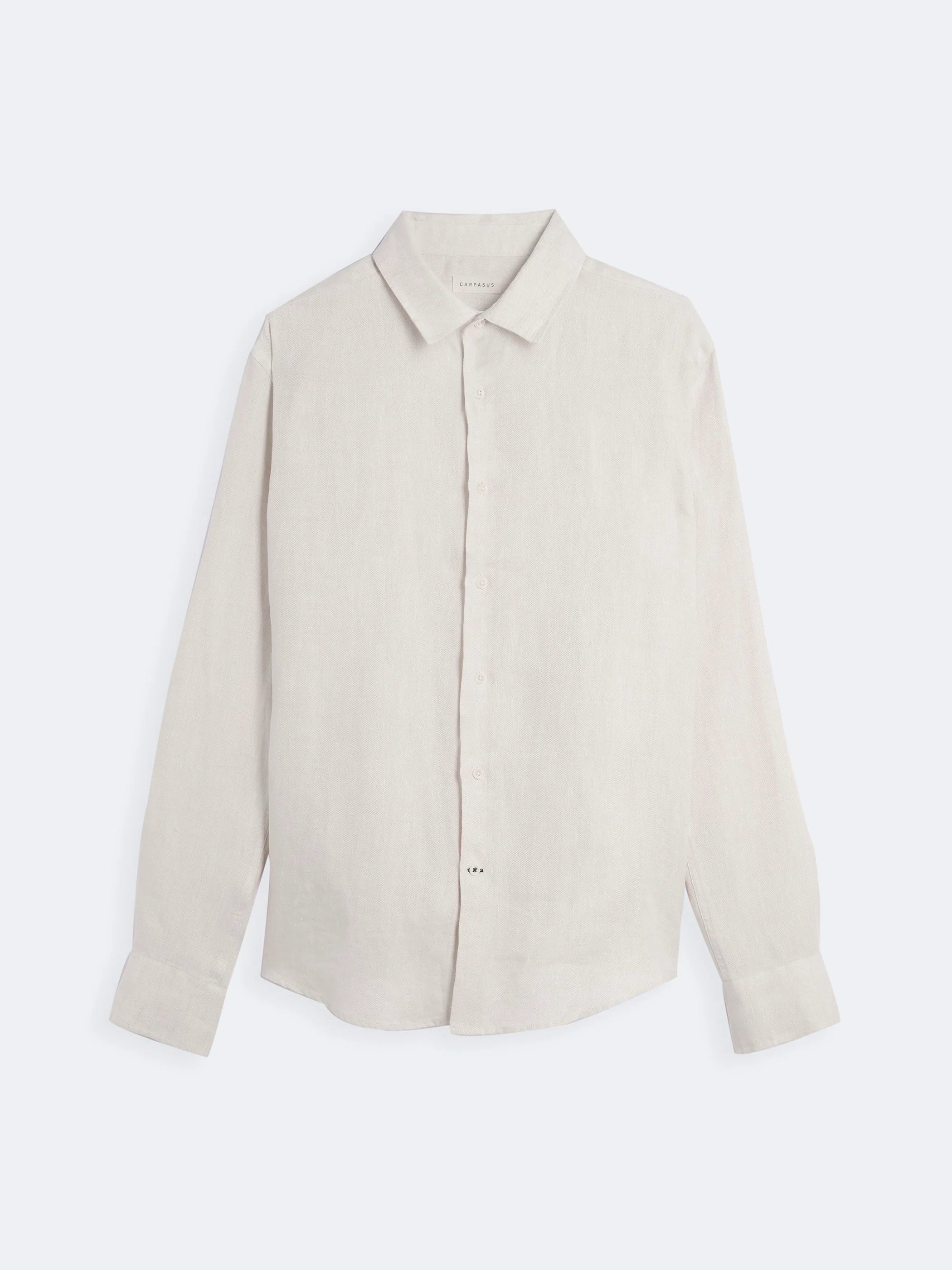
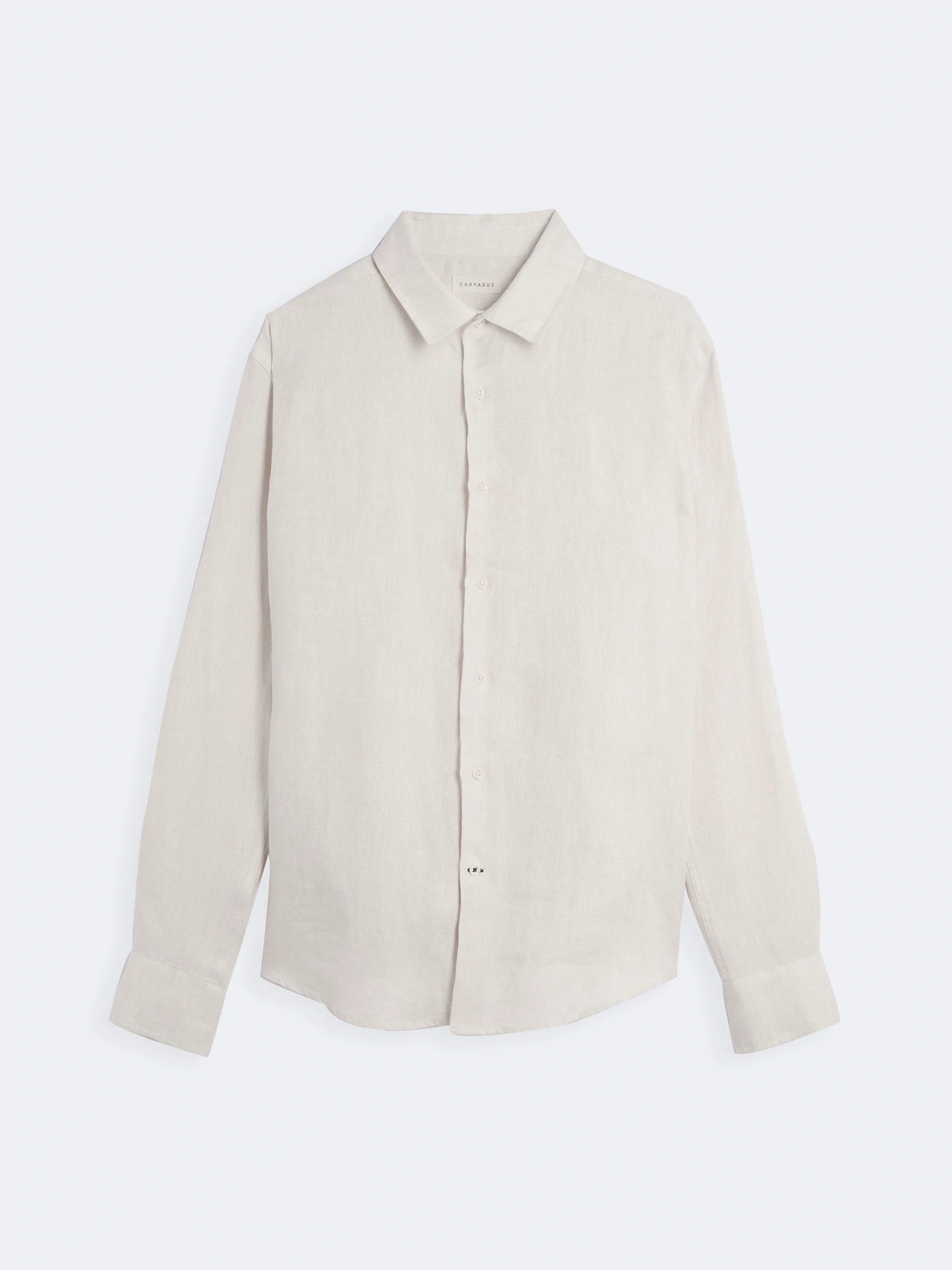
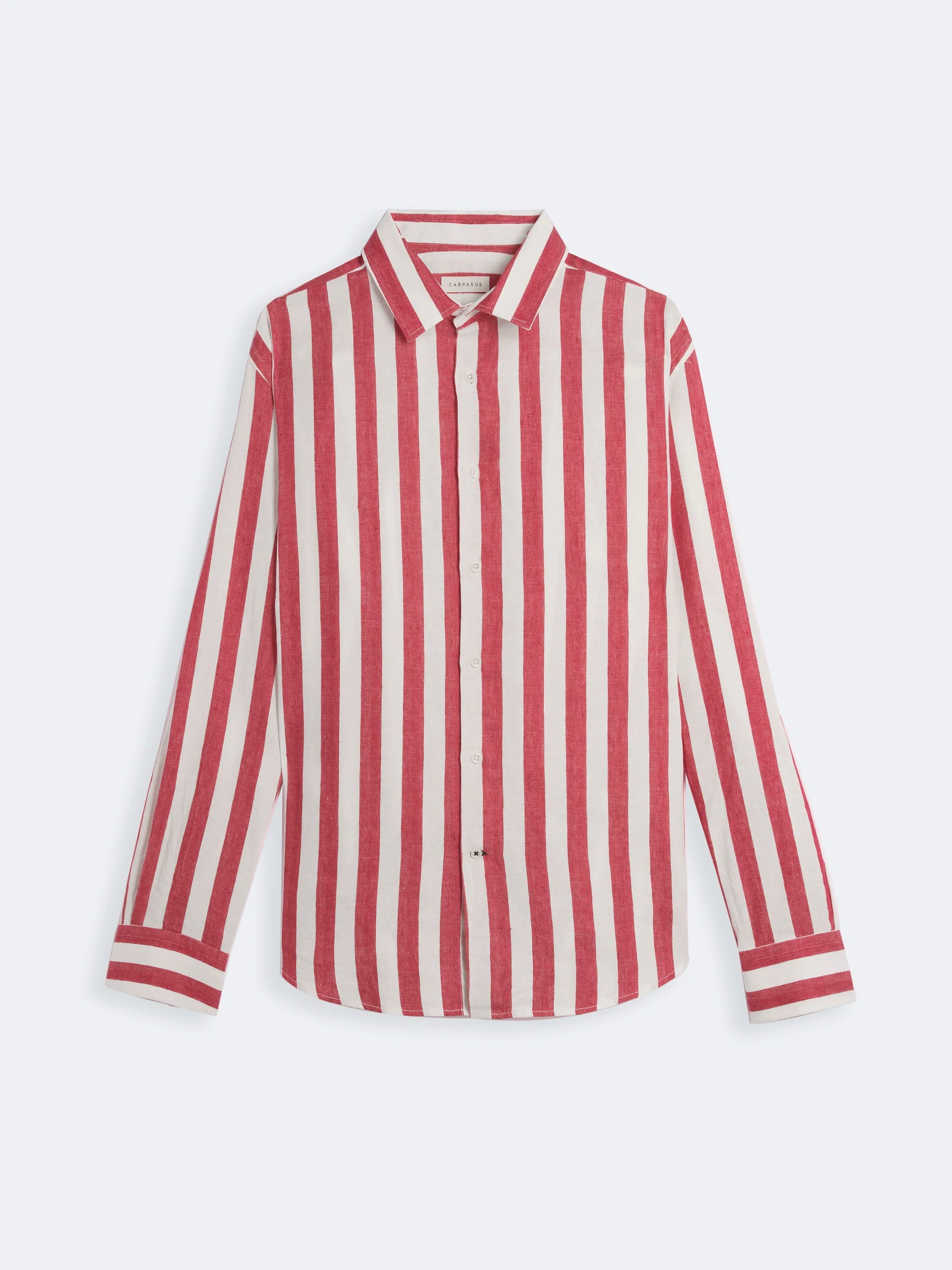
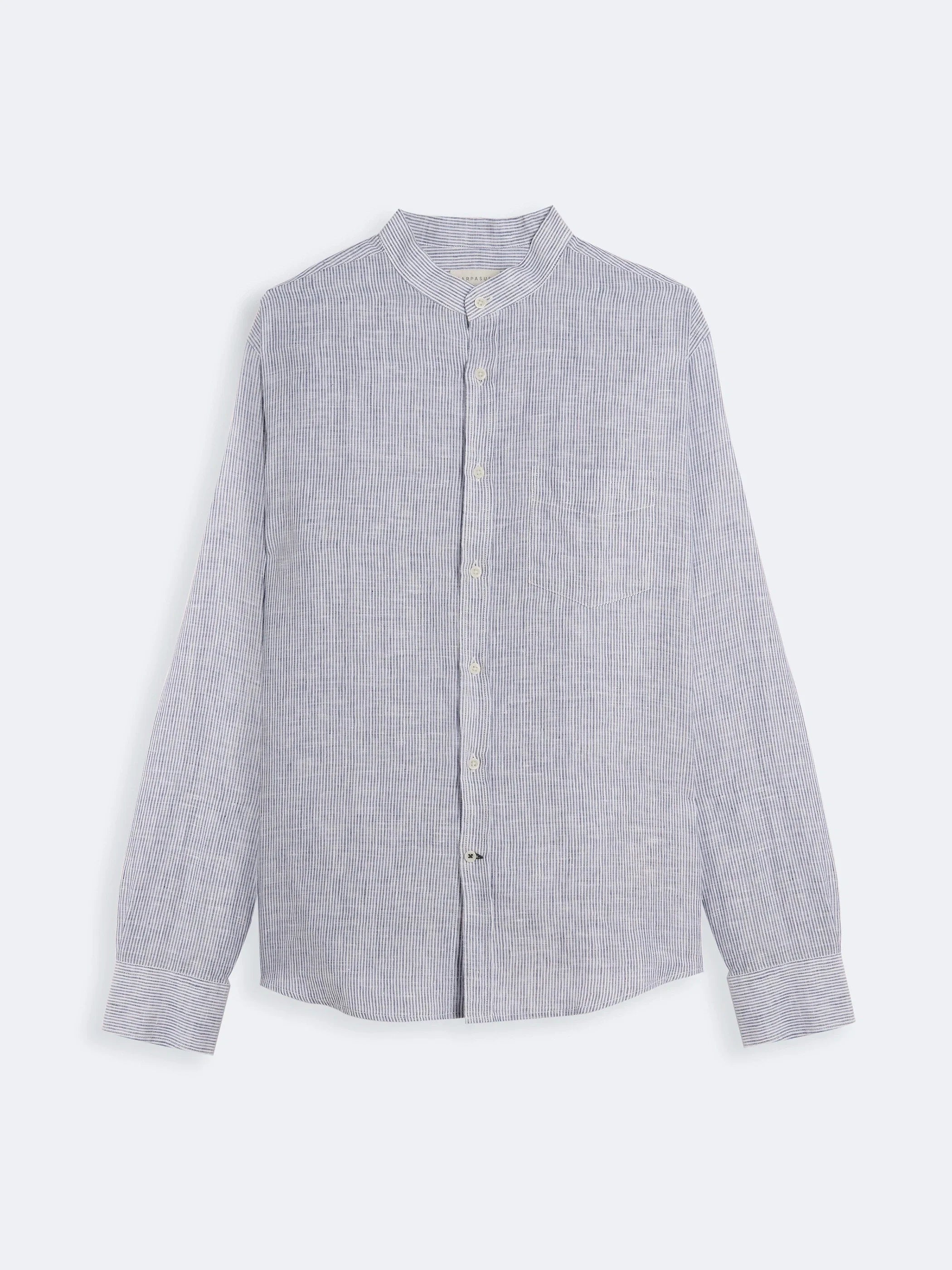
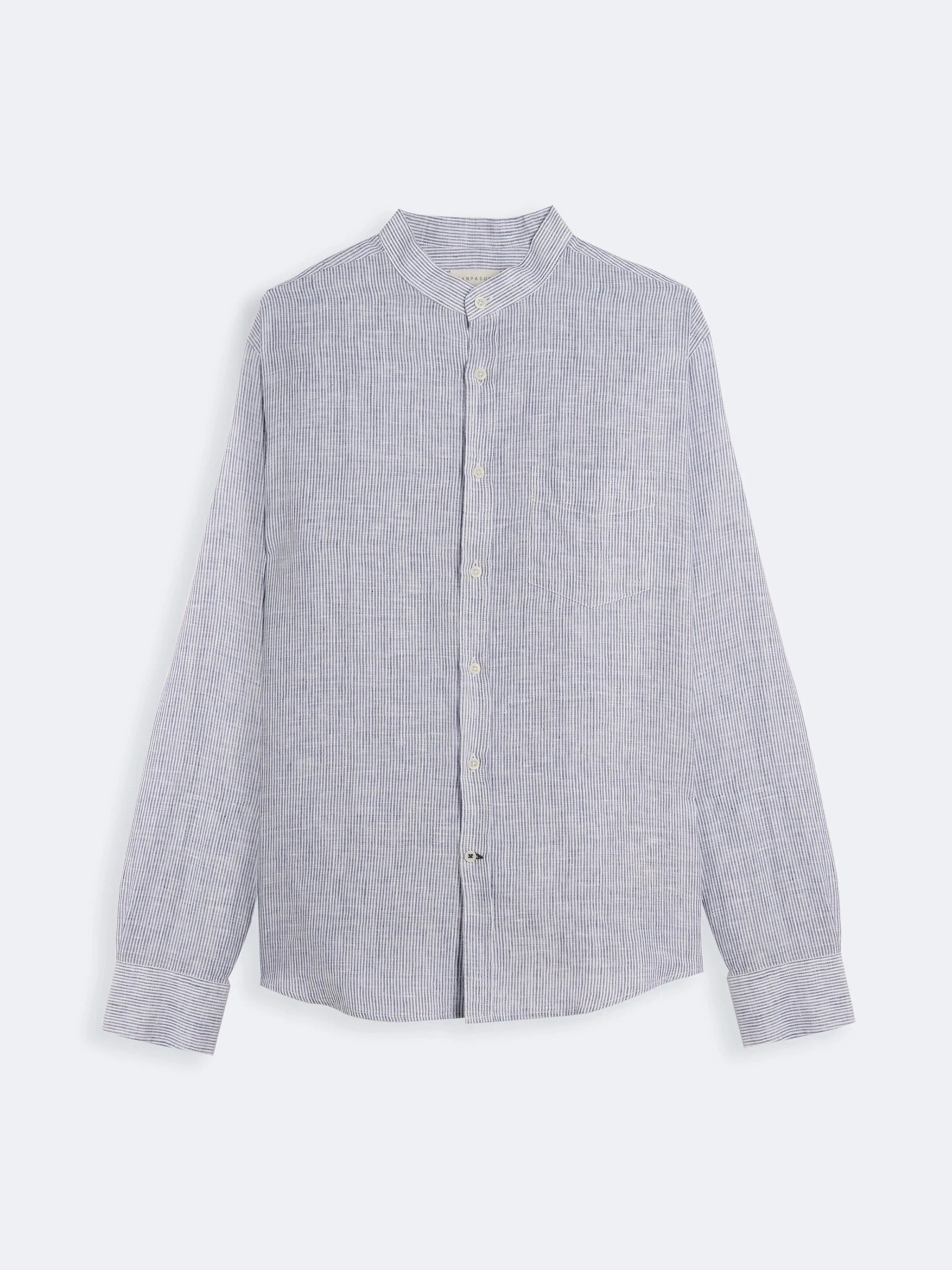
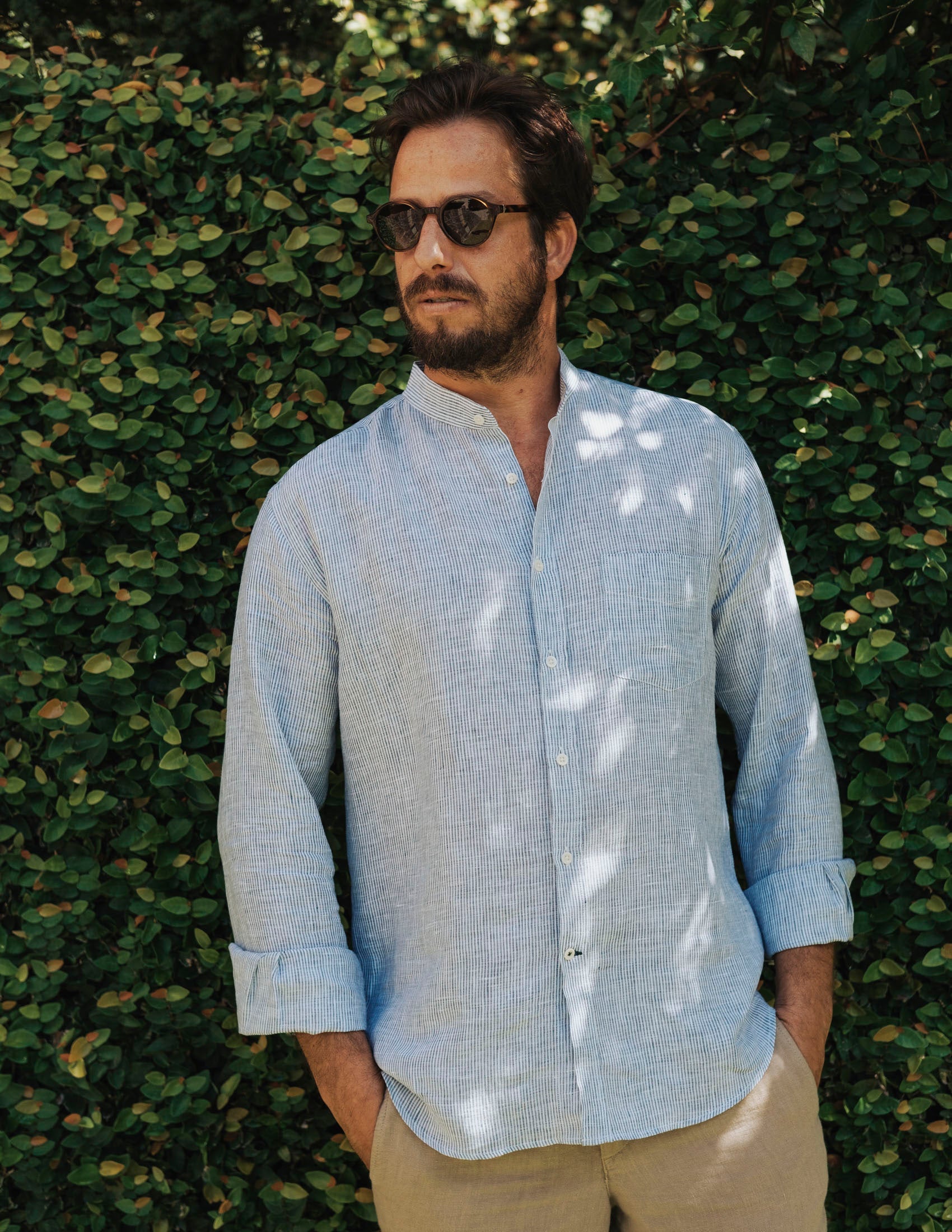
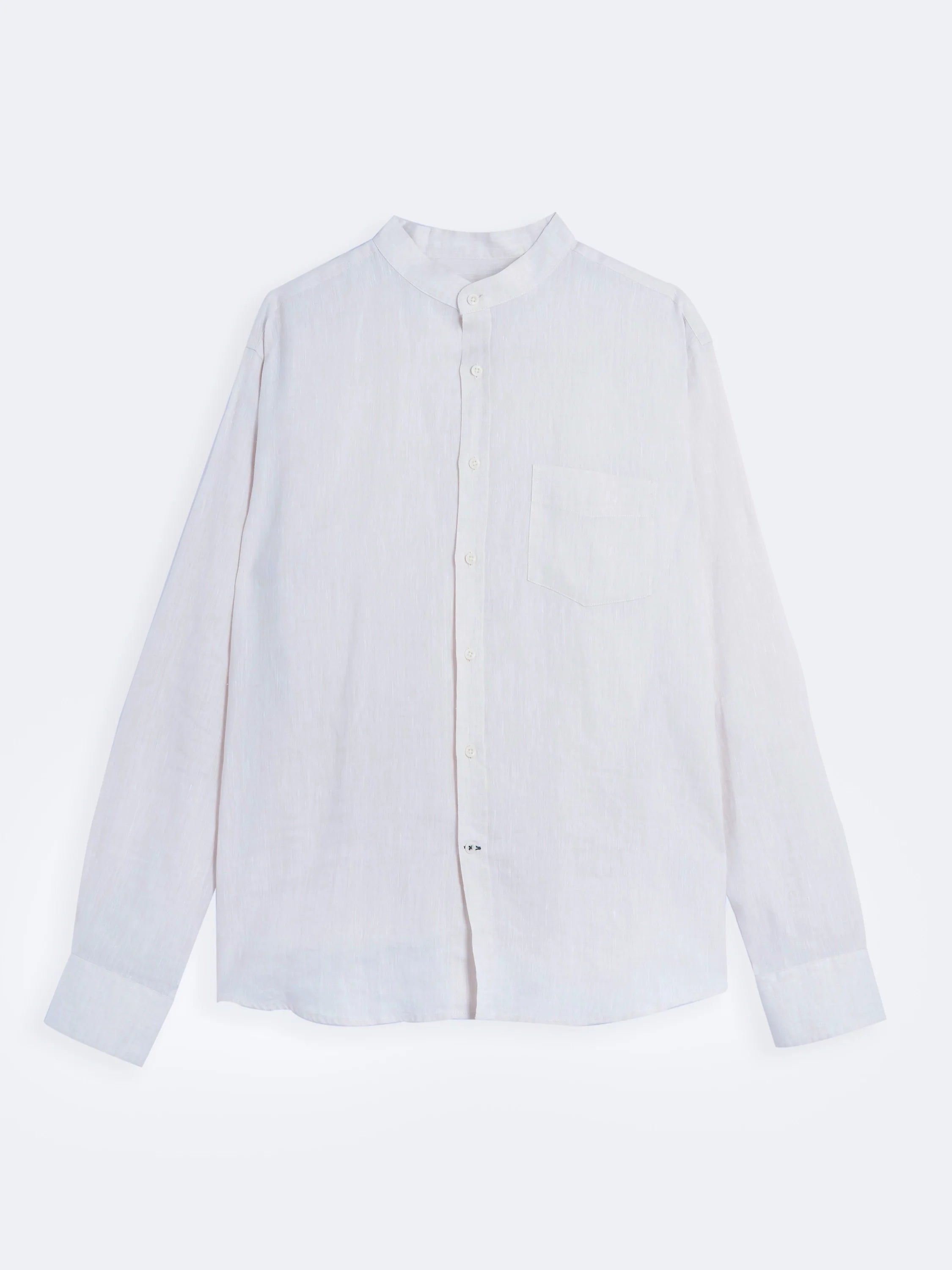
Linen is our preferred material for our spring and summer shirts. It is particularly well suited to the warm months of the year. It keeps you cool and makes you look great at the same time. Linen fabrics are very tear-resistant, which is why clothes made from linen are hard-wearing and durable.
The origin of every linen shirt is flax – a versatile and beautiful plant that has been used for the production of fabrics for centuries. Our linen shirts are made from flax grown in Europe. France, Belgium and the Netherlands are among the world's most important flax-growing countries. Learn more about the characteristics, advantages and origins of our linen shirts!
Linen keeps you cool
No other fabric is better suited to absorb and exchange moisture with the surrounding air than linen. It is breathable, moisture-regulating, and therefore cools you down in summer. At the same time, it has an antibacterial effect on the skin, making it less prone to develop odor.
Linen fabrics are also particularly tear-resistant. Clothes made from linen are very durable. In addition, compared to many other types of fabric, linen fabrics are lint-free. They do not pill.
It's a low impact material
Flax is a raw material that is less susceptible to pests than cotton and generally requires less water. Whenever possible, we use organically grown flax, which is cultivated without synthetic pesticides and fertilizers. Yet, the supply of organic flax is still very limited on the world market. We have decided to prioritise flax grown in Europe rather than in more distant regions such as China in order to keep transport distances short – even though this means that the flax we use is not always organically grown.
Our linen fabrics are made according to the Masters of Linen® Standard. It is an industry standard established by European linen companies to promote European flax cultivation and a stronger European supply chain. The standard does not allow the use of GMO seeds and avoids irrigation of the fields. It also promotes field retting instead of water retting, which can use large amounts of water and generate wastewater. The standard requires the linen yarn and fabric to be made in Europe.
Every linen shirt starts with flax
Flax is at the origin of all Linen shirts. Linum usitassimum is a narrow-leafed, erect and blooming plant with a blue flower that is planted between March and April. After 100 days the plant is about 1 m high and ready to bloom. The beautiful blue linen flower only lives for a few hours and transforms the landscape into a lake of blues and greens.
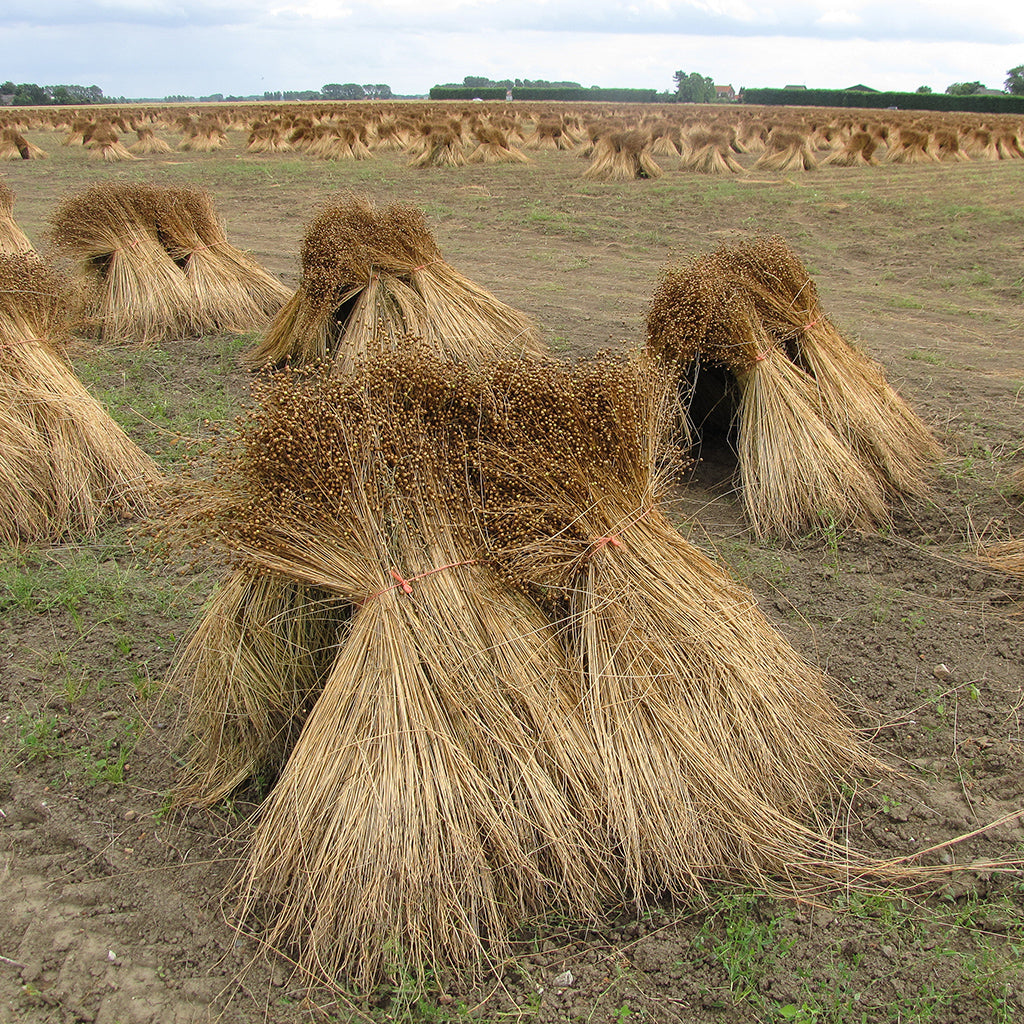
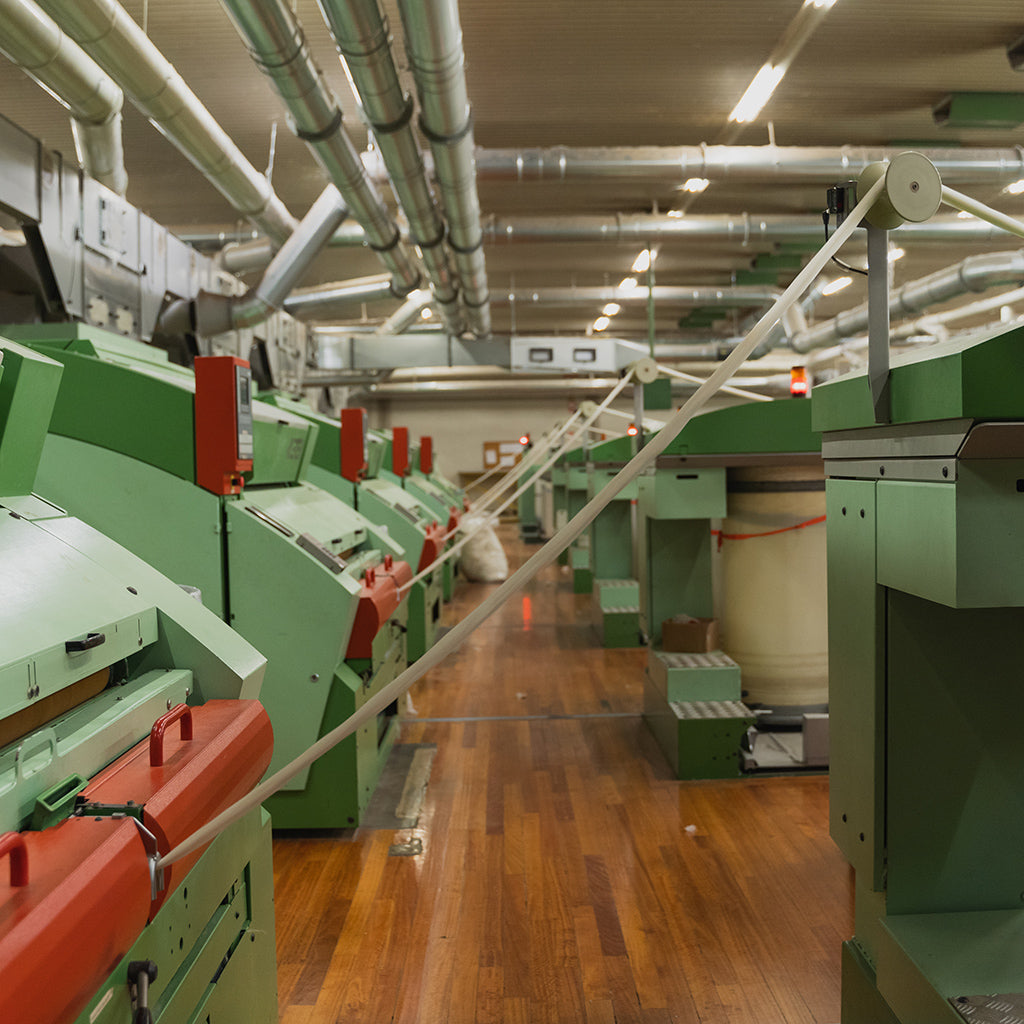
In July the plants are pulled and placed in bundles on the ground where the "retting" starts. This natural process detaches the fibrous skin from the wooden stem. To further help separate the fibers from the stem a mechanical process called "scutching" is used. It involves stretching, grinding and threshing the plant. The combing process kicks-off the next phase where the fiber is transformed into yarn at the spinning mill that will later be used to weave fabrics.
Raw material with a long tradition
The use of linen for textile production has a long history. Mummies were wrapped in linen cloth in ancient Egypt. From Greek and Roman antiquity to the European Middle Ages, linen was the go-to material for clothing alongside wool. With the increasing industrialization in the 19th century, cotton became more important and linen was used less often. However, the fashion industry's interest in this material has grown in recent years because of its much-loved qualities.
While cotton is only rarely cultivated in Europe, about 80% of the world's used flax fibers are grown in Europe. In general, flax is still a niche fiber in the textile industry. Only 1 Million tons of flax were grown in 2021 according to Textile Exchange (compared to 24 Million tons of cotton). Only 0.5% of the world's flax production is organic.
European Craftsmanship
The flax used for our shirts is grown in France, Belgium and The Netherlands and processed by spinning mills in the Baltic, Hungary and Italy. The yarns are woven by our long-time weaving partners in Portugal near Porto. Only a few kilometers away the fabric is used to tailor our timeless and long-lasting linen shirts by our Portuguese shirt-maker. There's a lot of Europe in our linen shirts!
Our Linen Shirts
















Recycled Cotton.
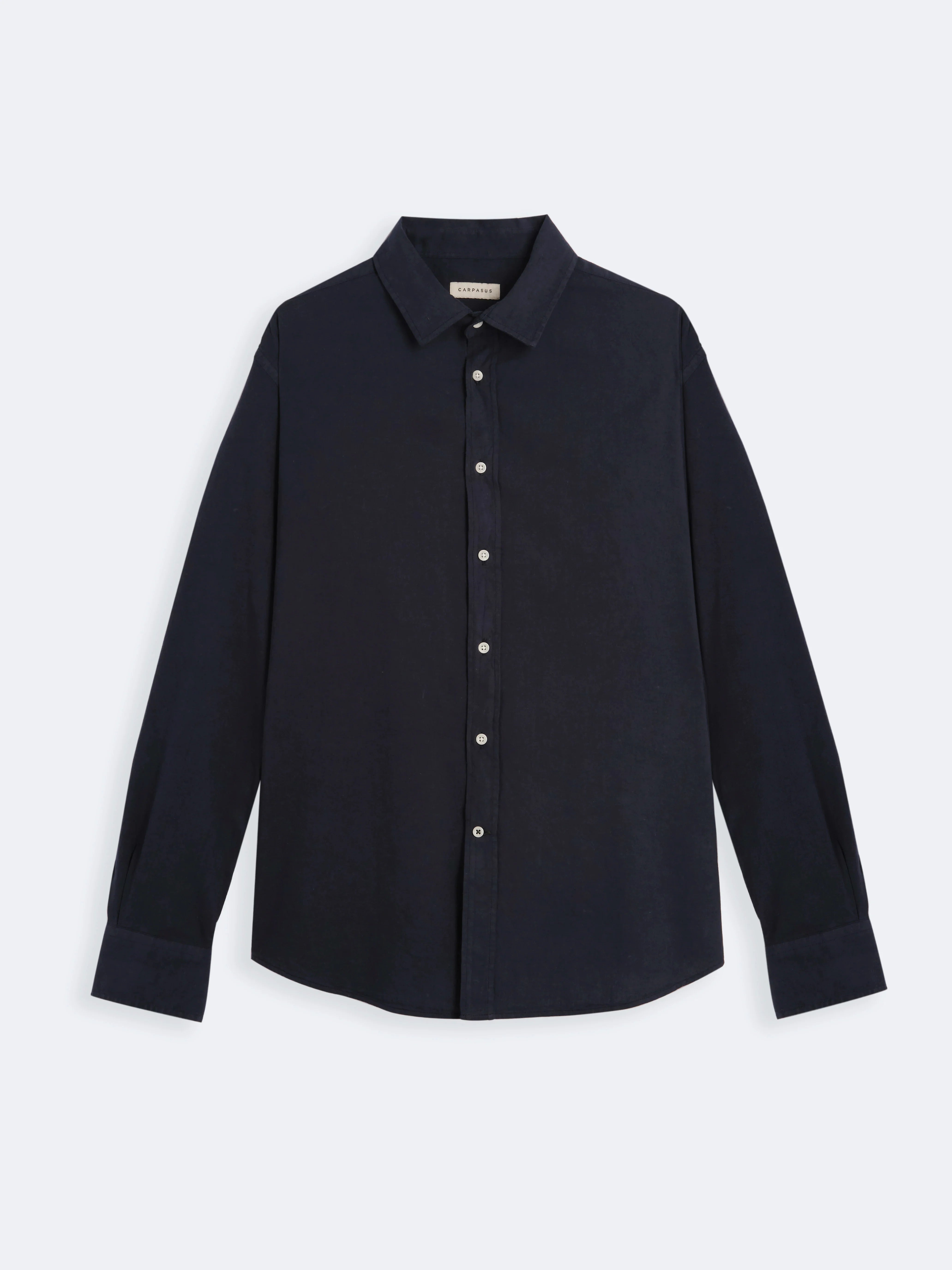
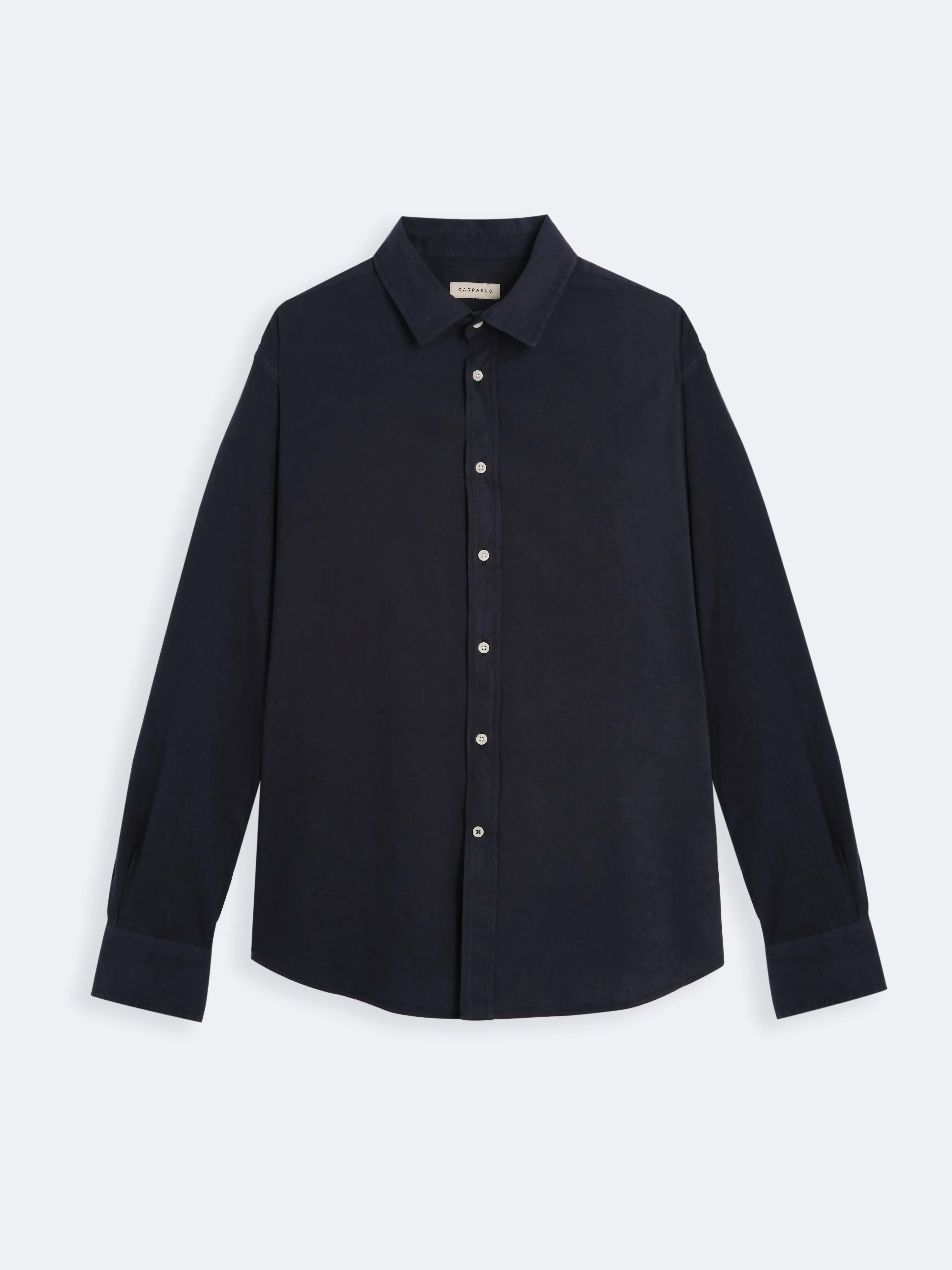
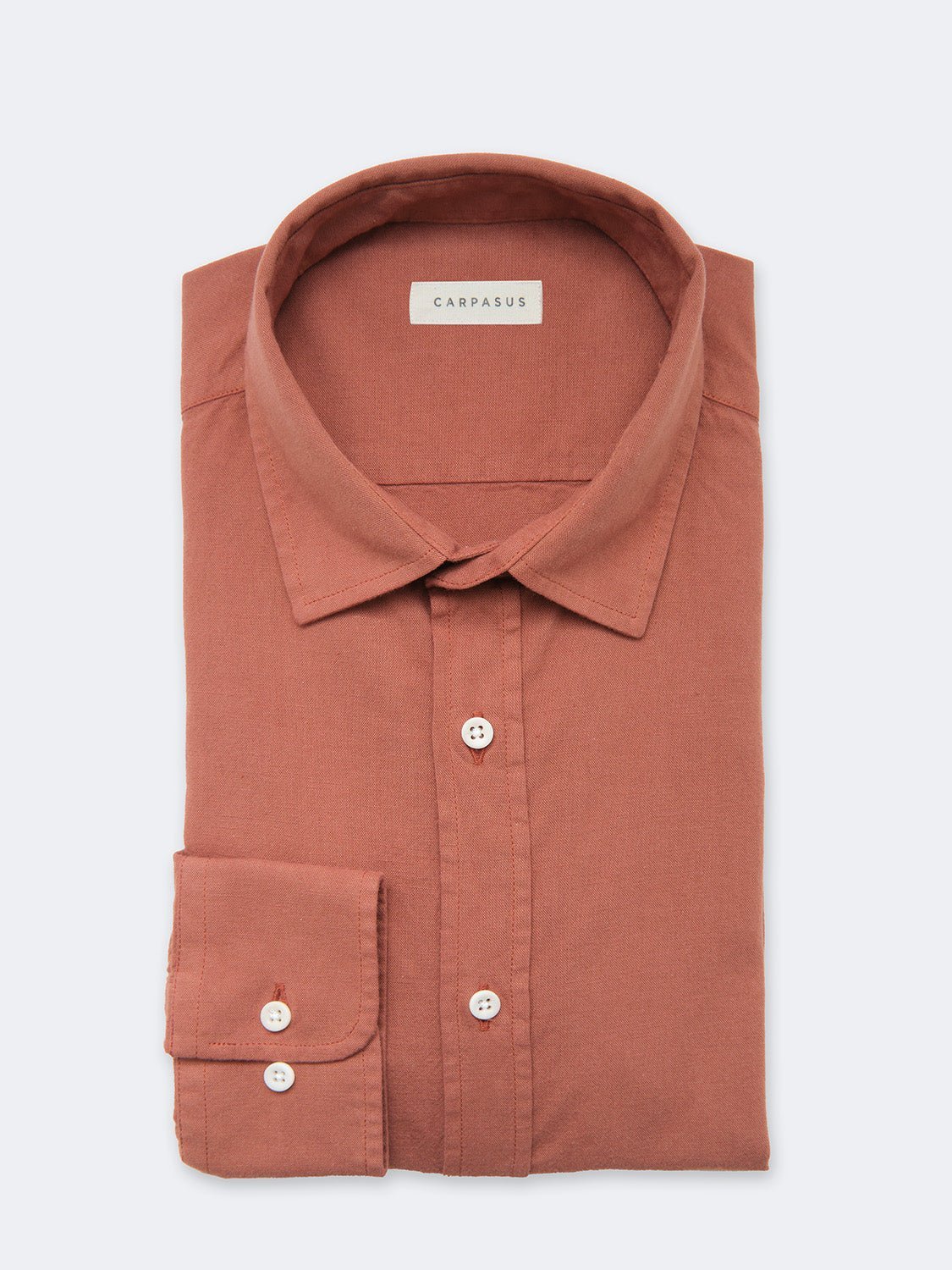
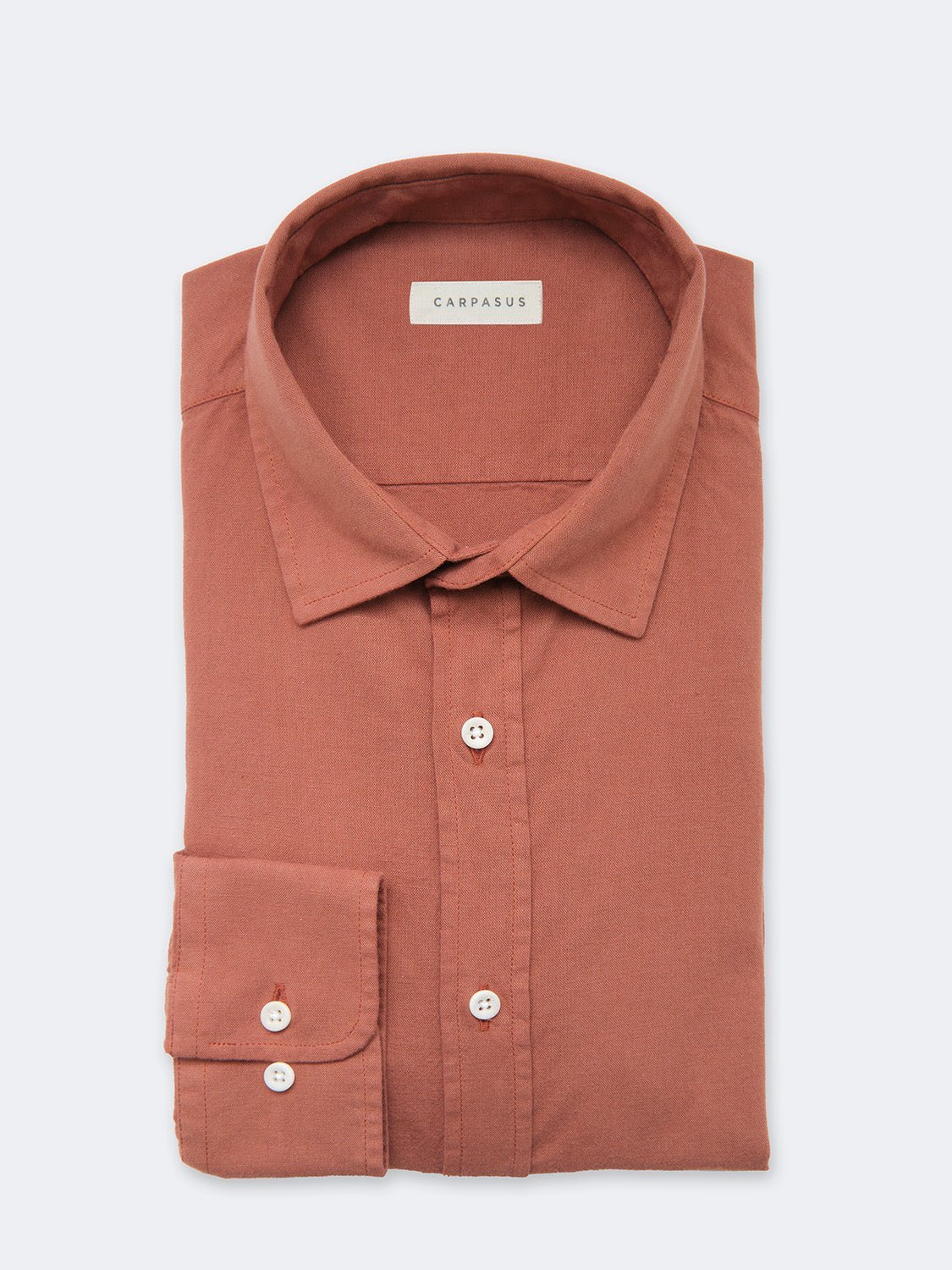
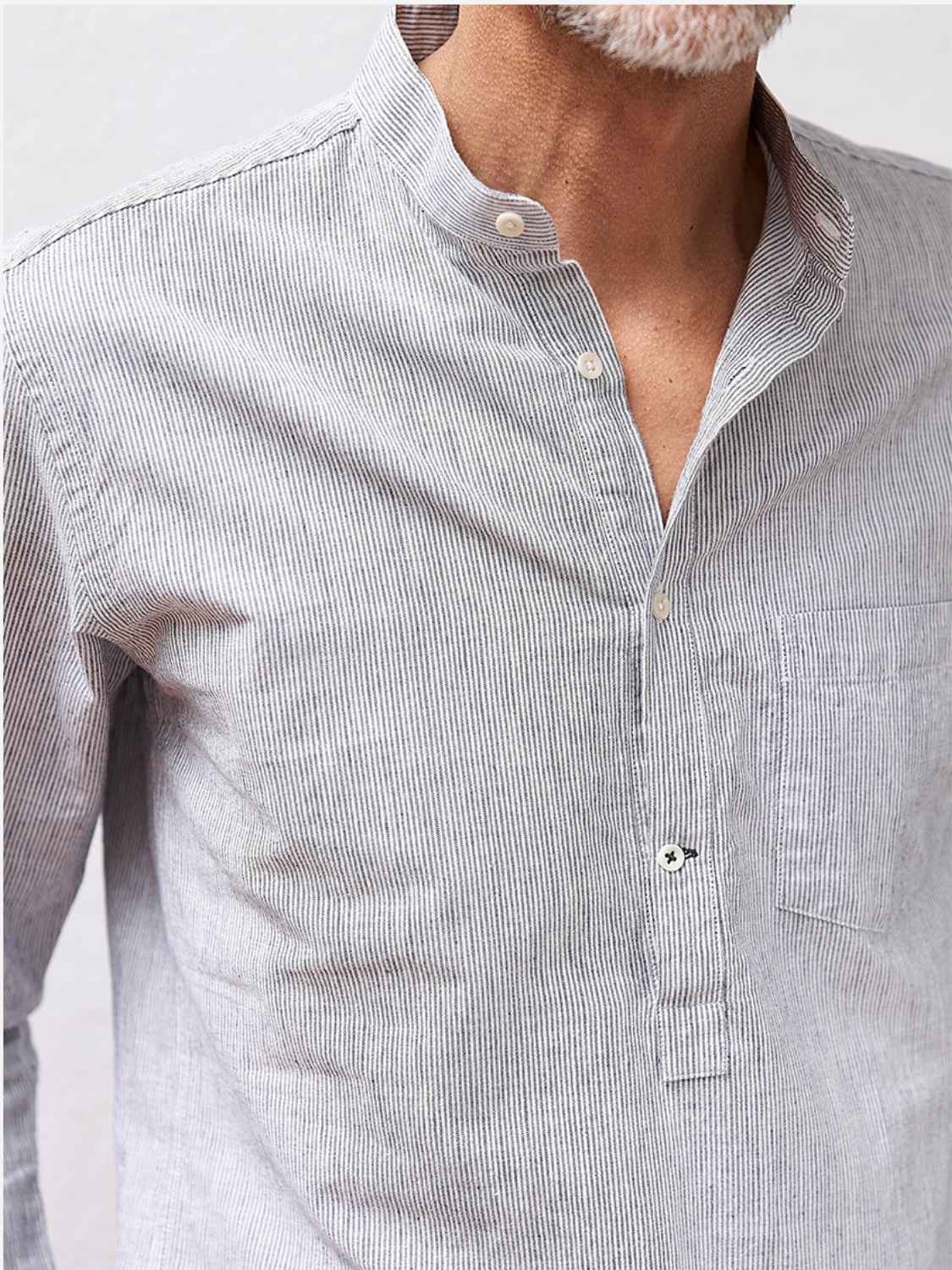
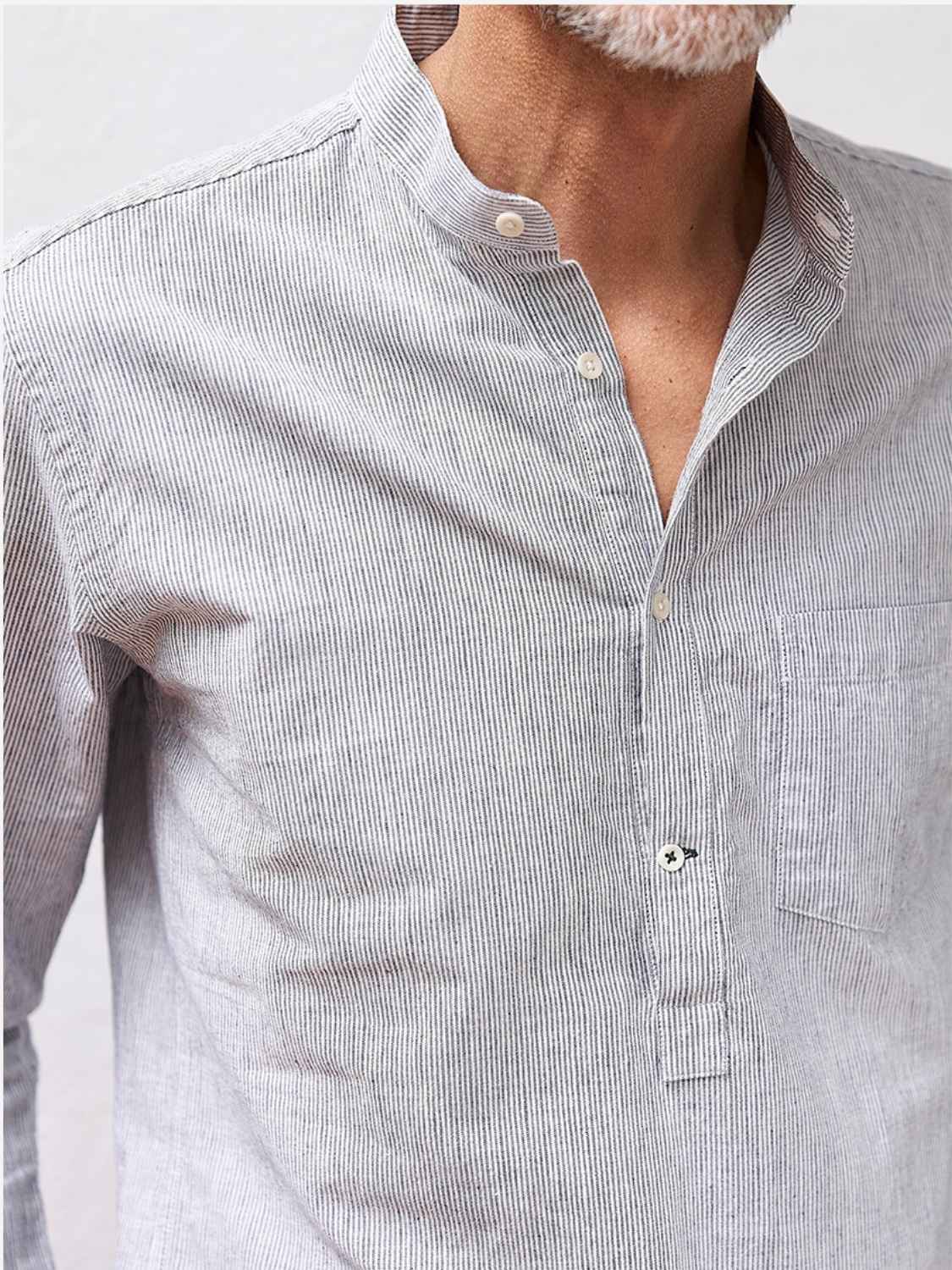
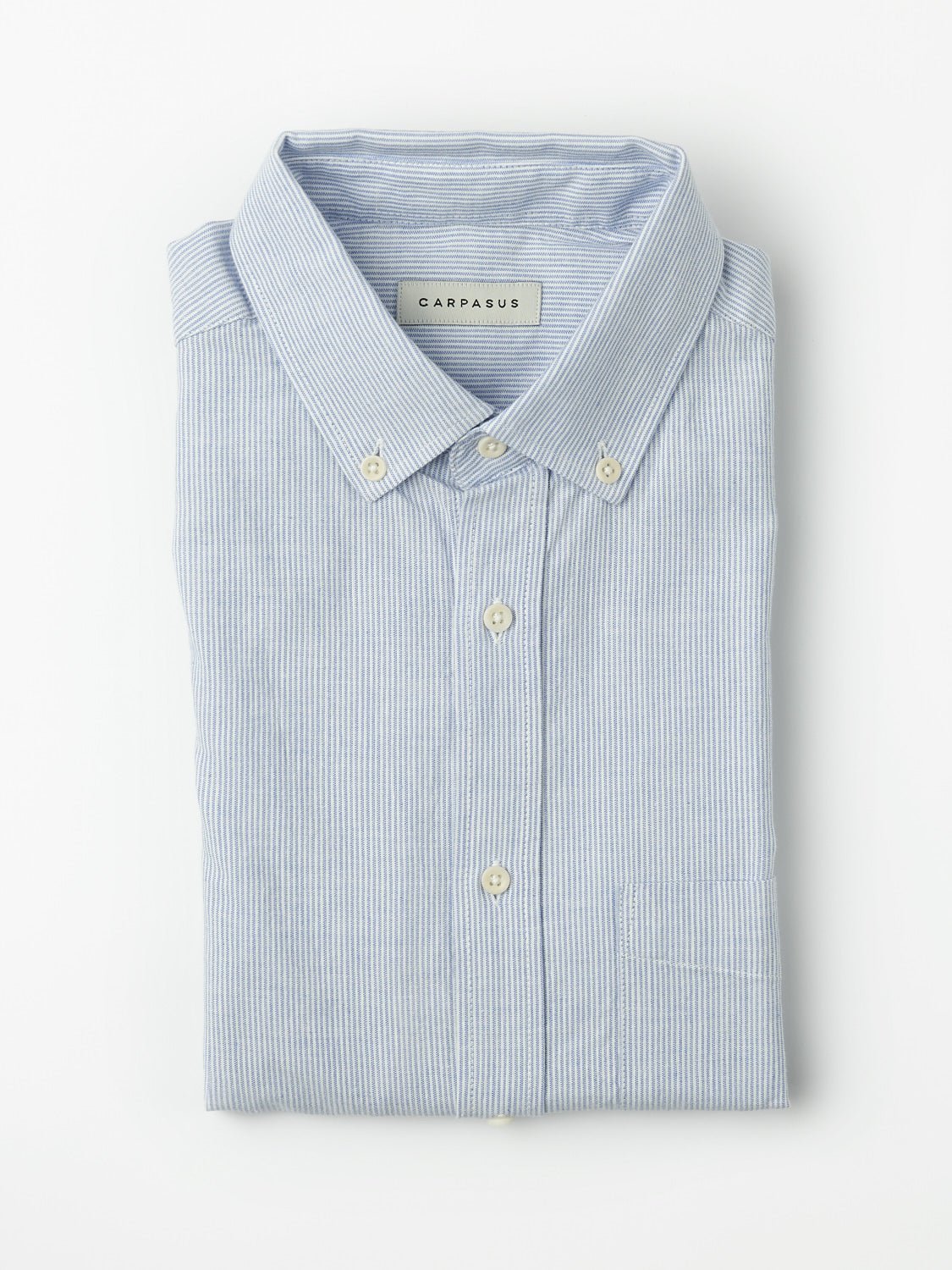
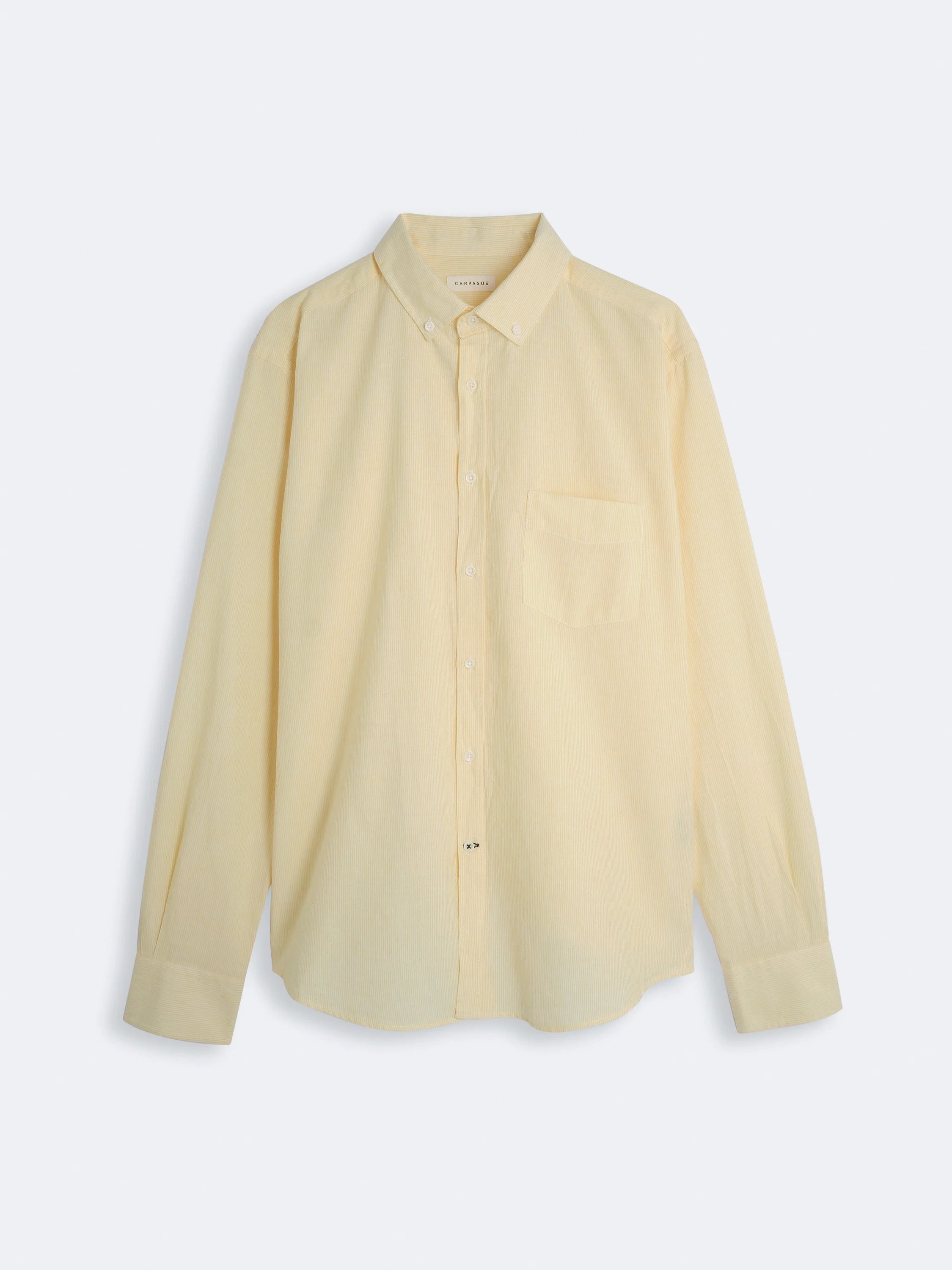
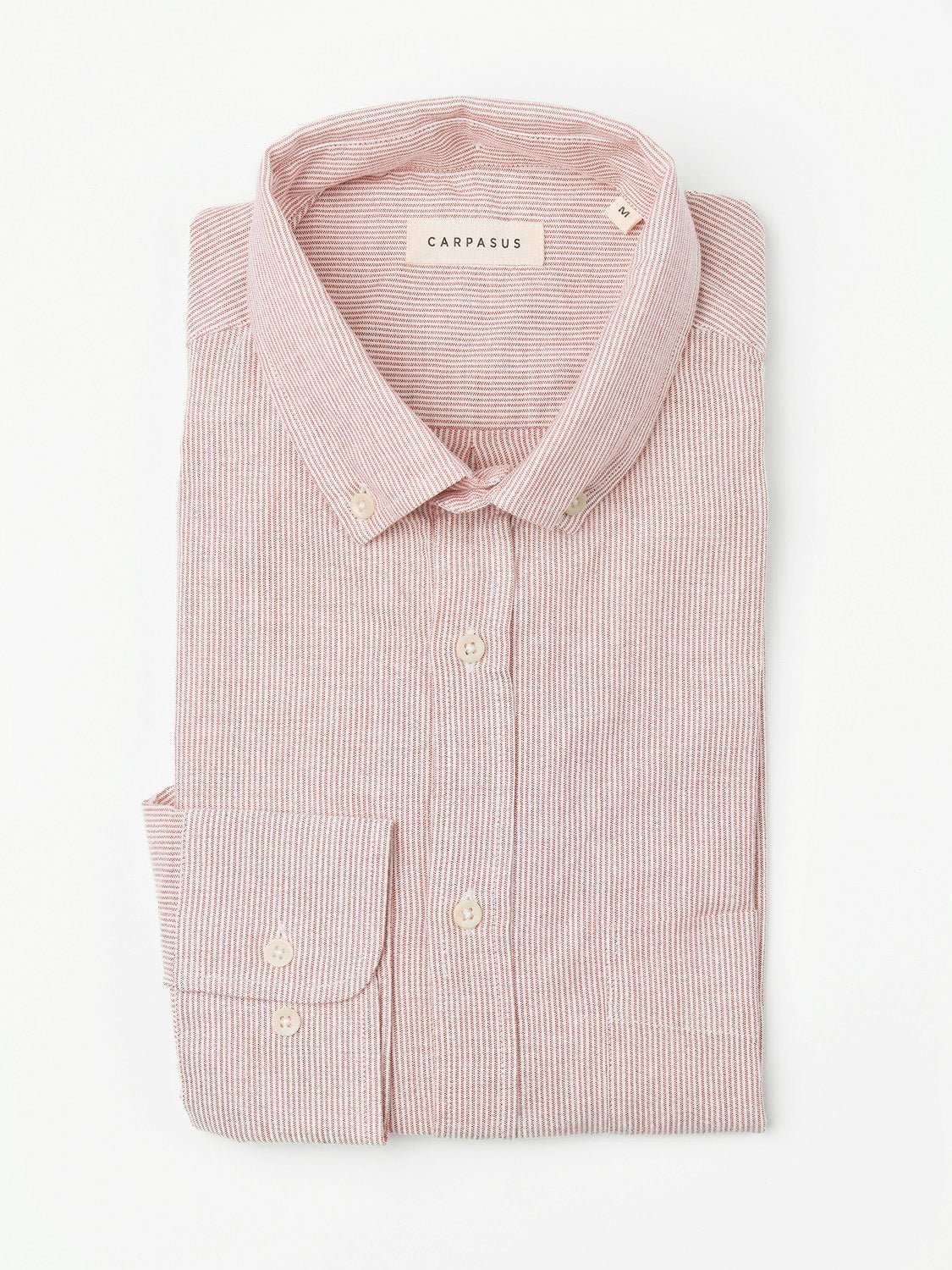
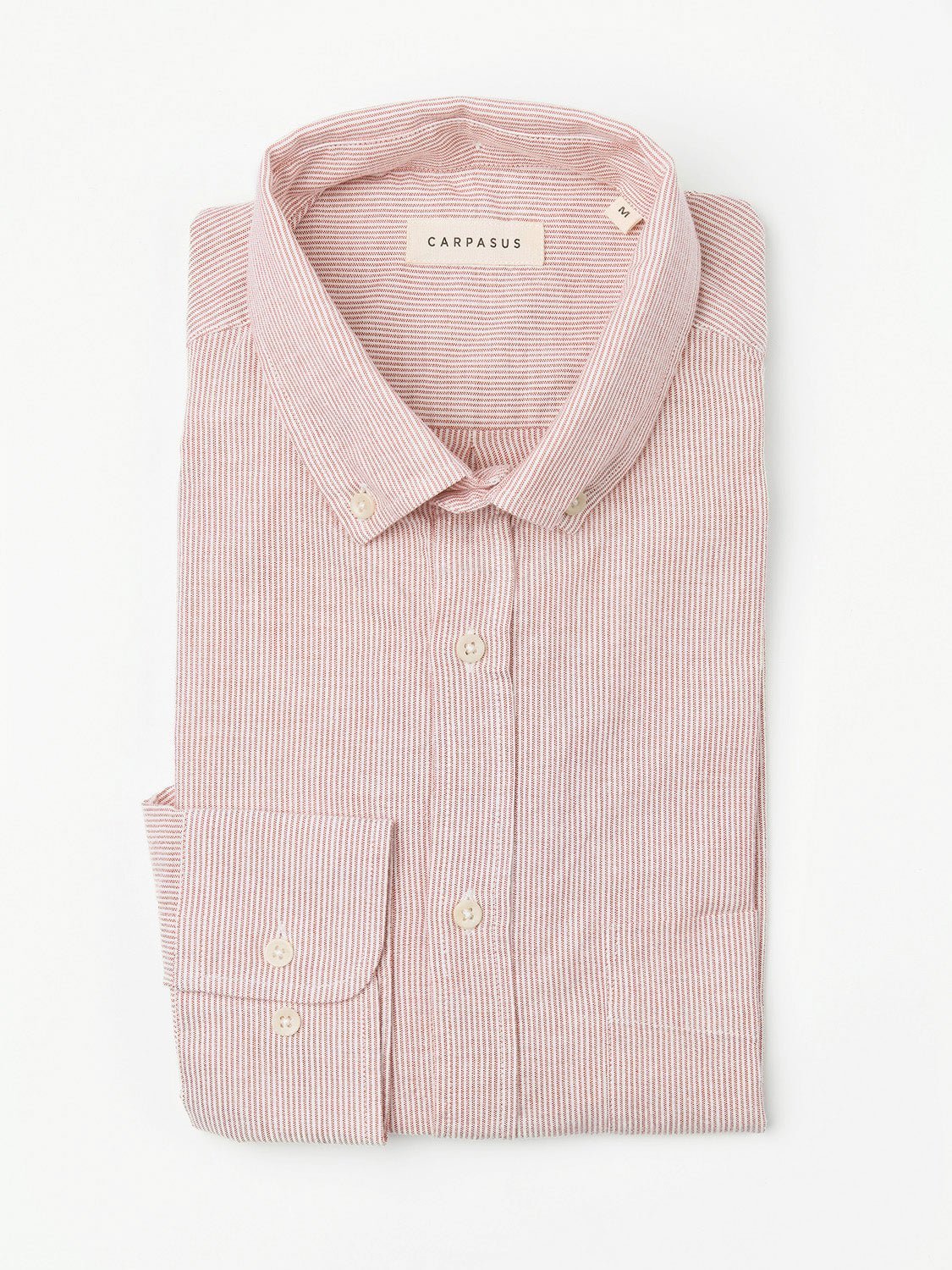
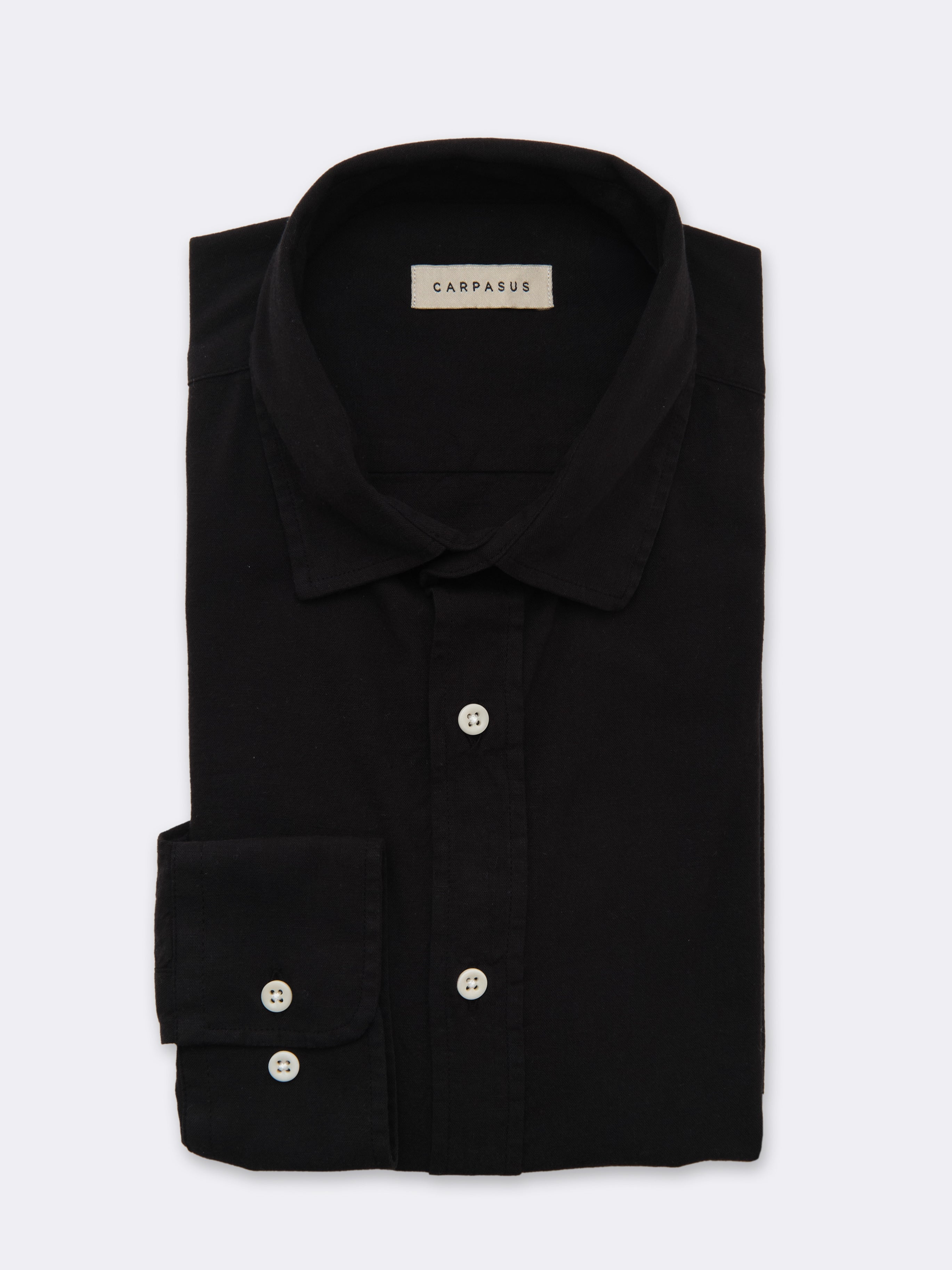
Re-using materials is one approach to using resources more efficiently in the fashion and textile industry. Whenever possible, we integrate yarns made from recycled cotton into our fabrics. In this way, we use recycled cotton as an alternative to virgin cotton and contribute to more circular approaches in textile production.
Our Recycled Cotton Shirts














Wool.
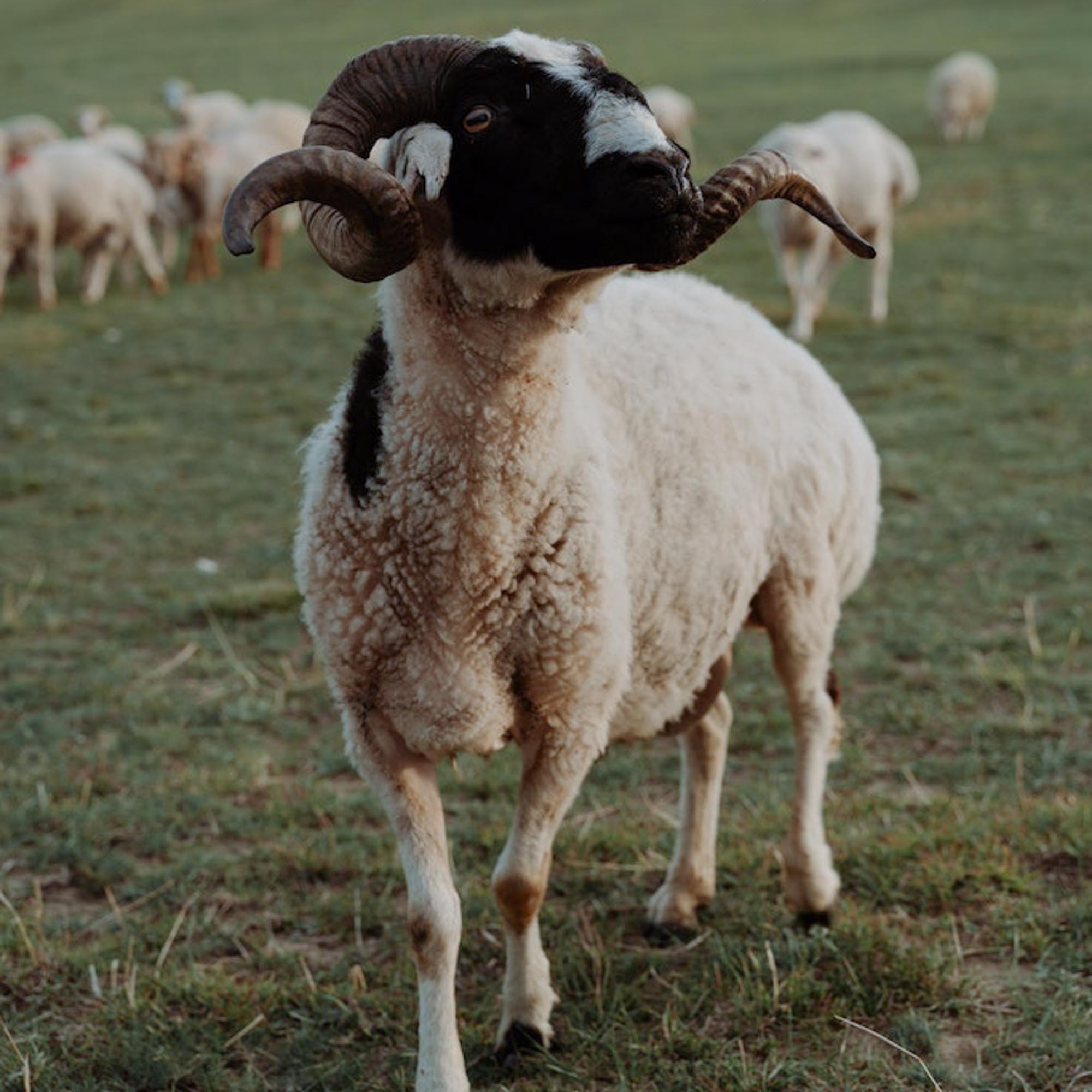
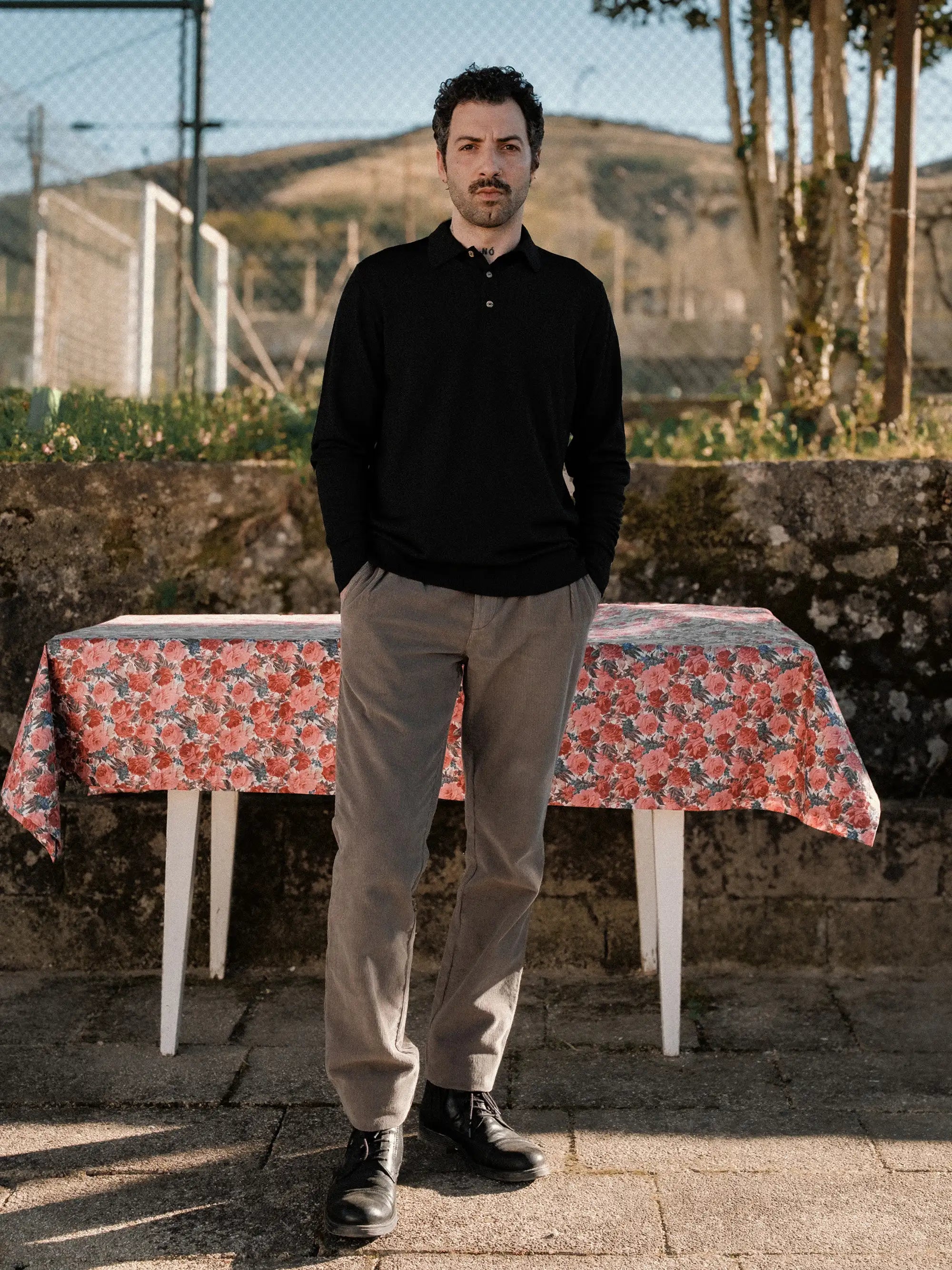
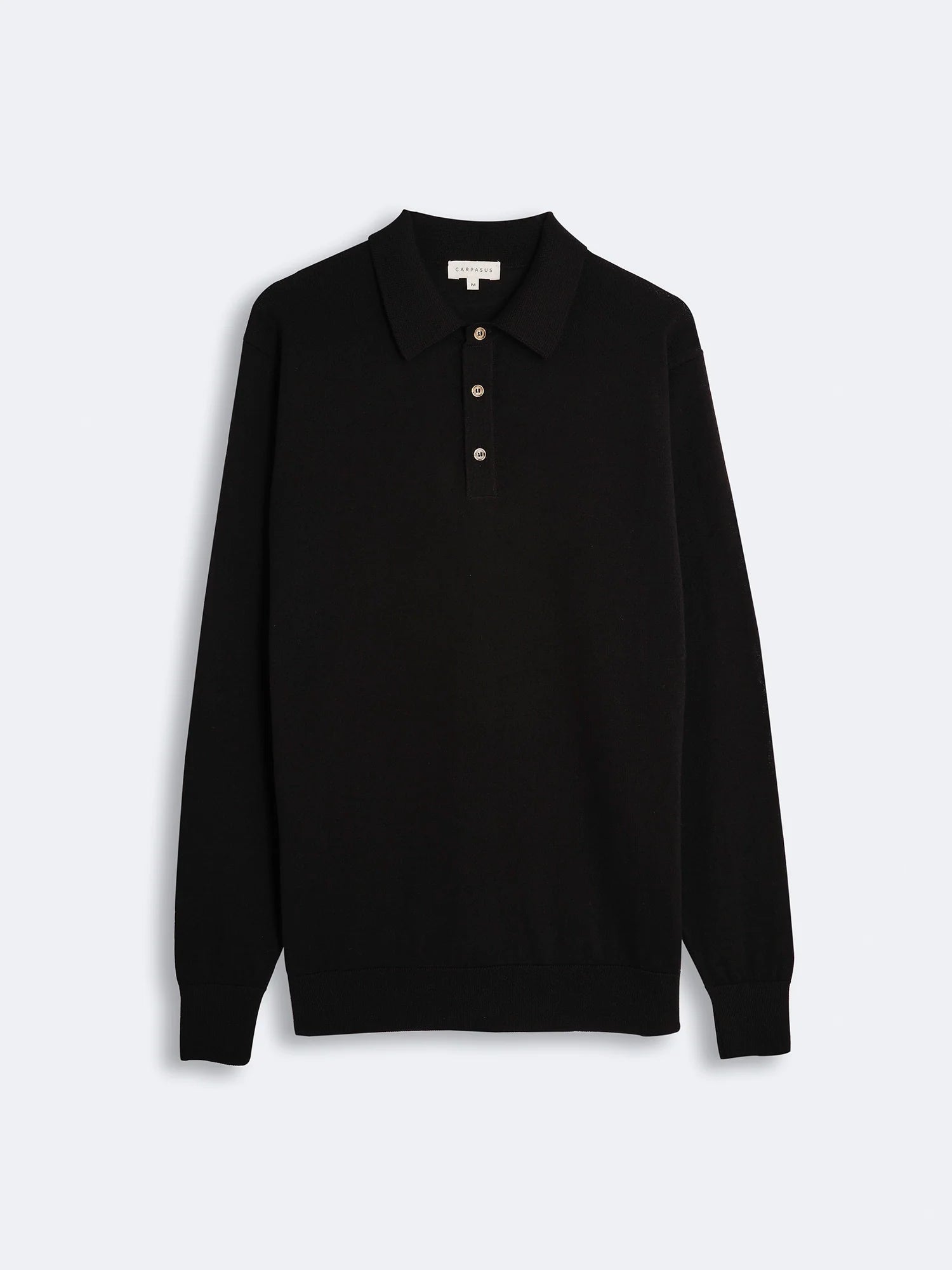
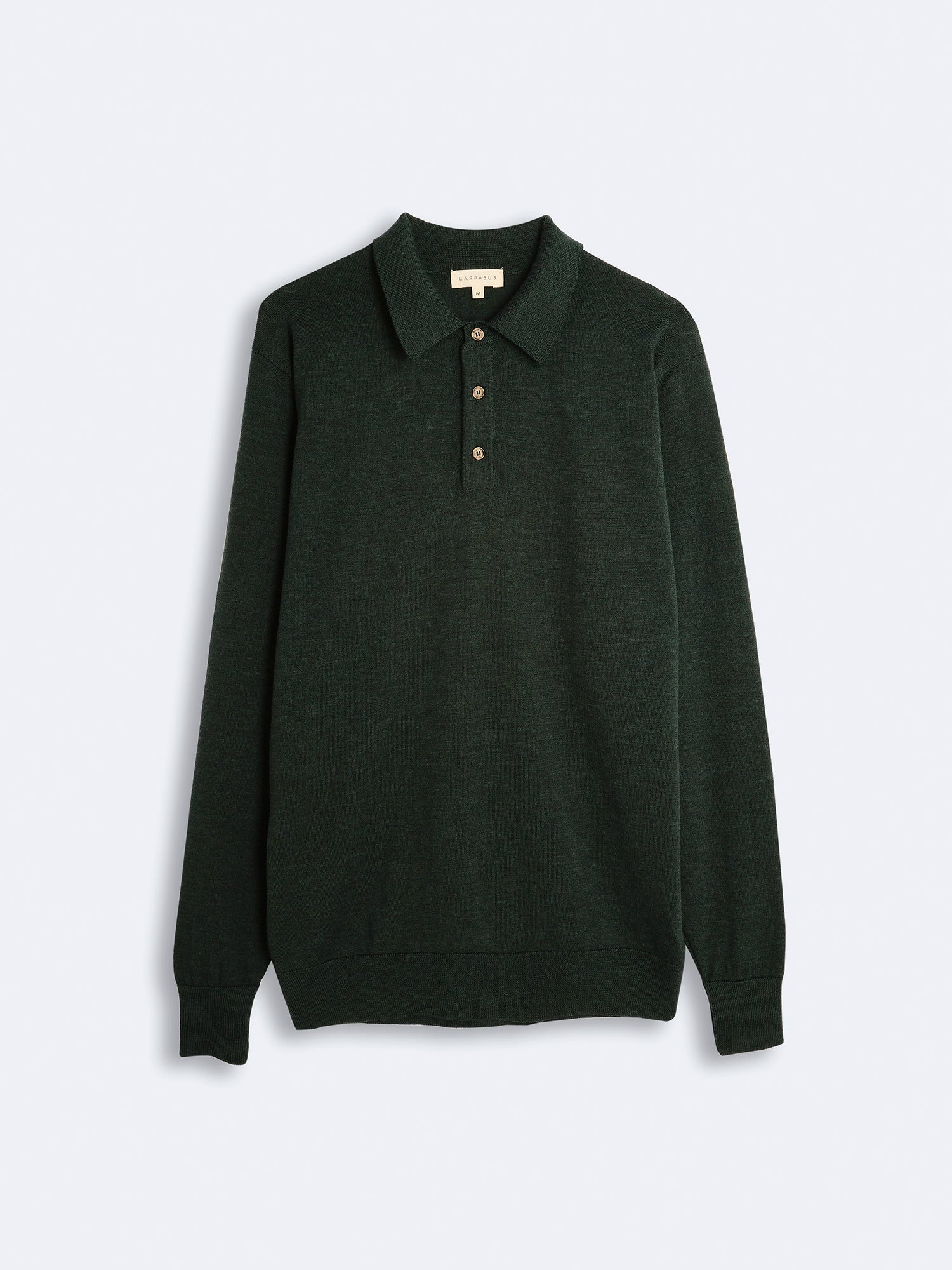
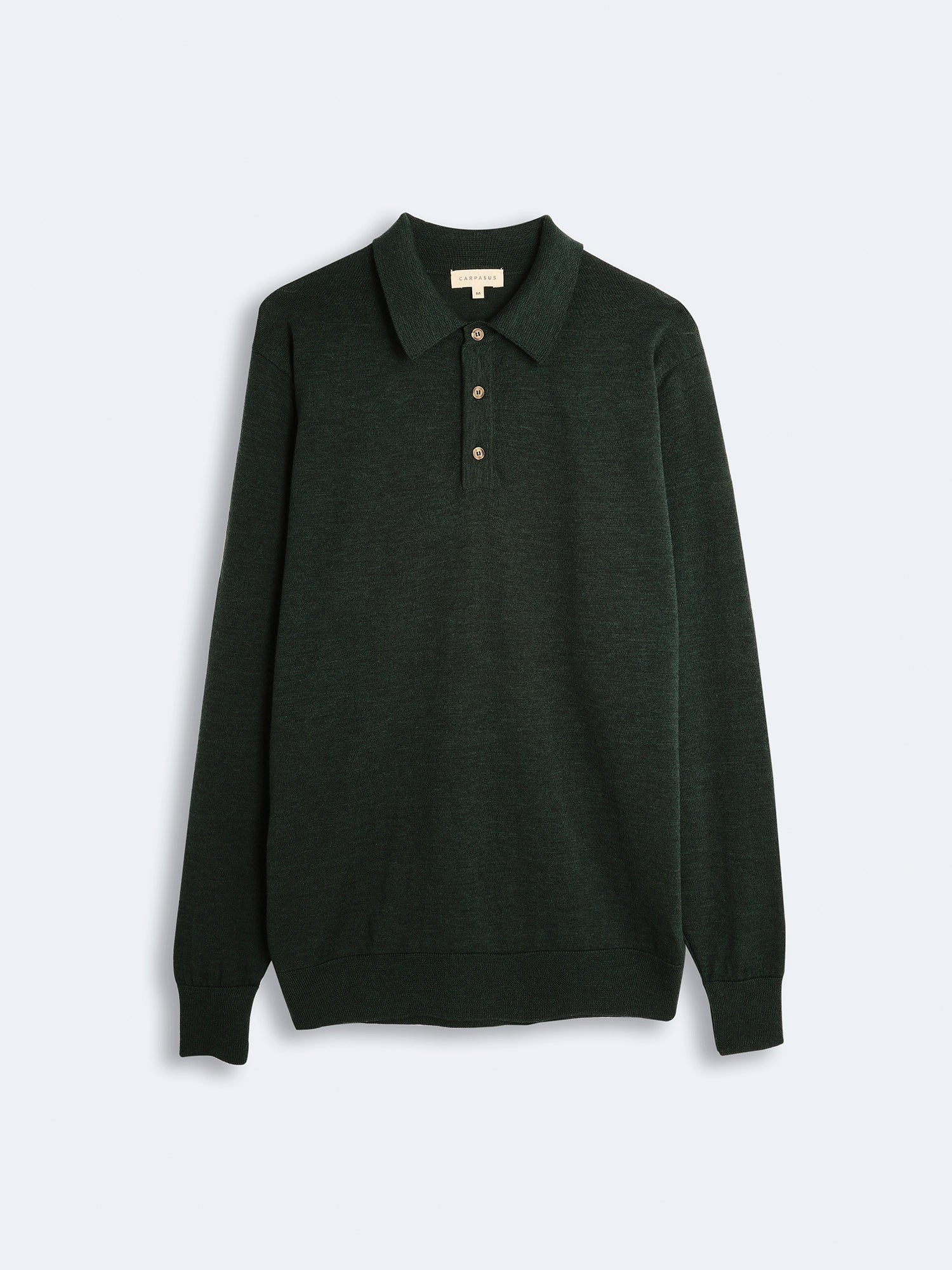
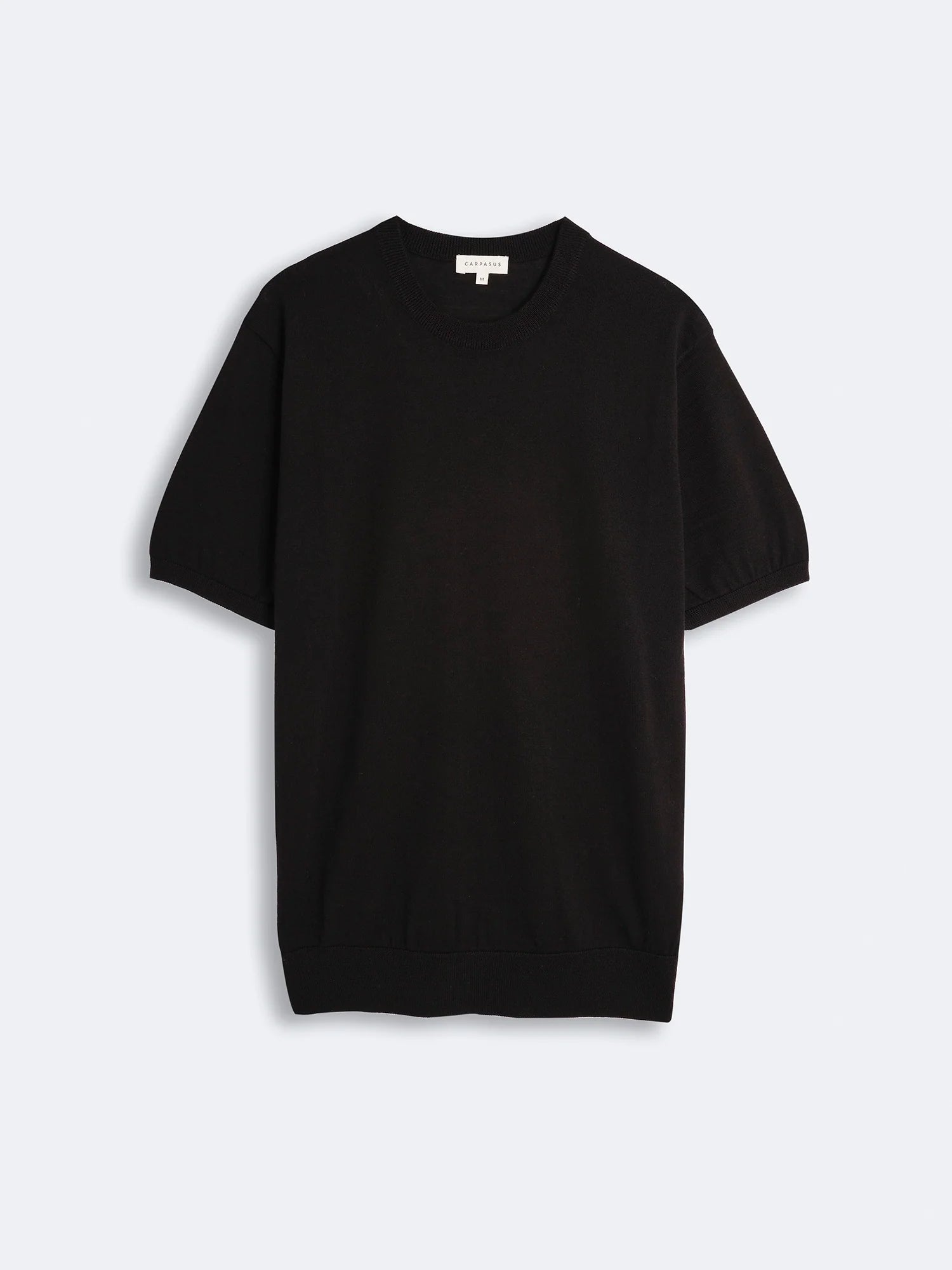
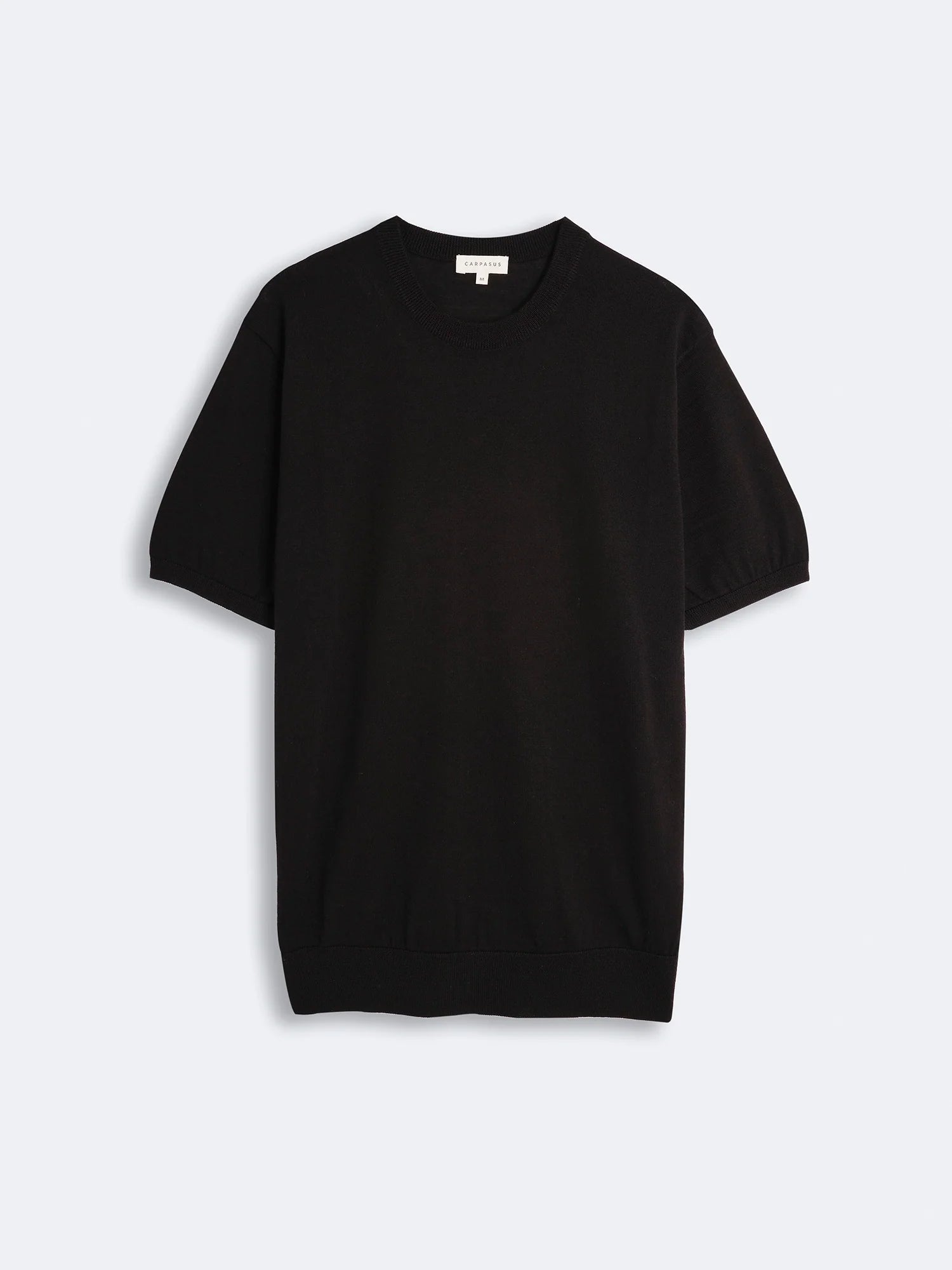
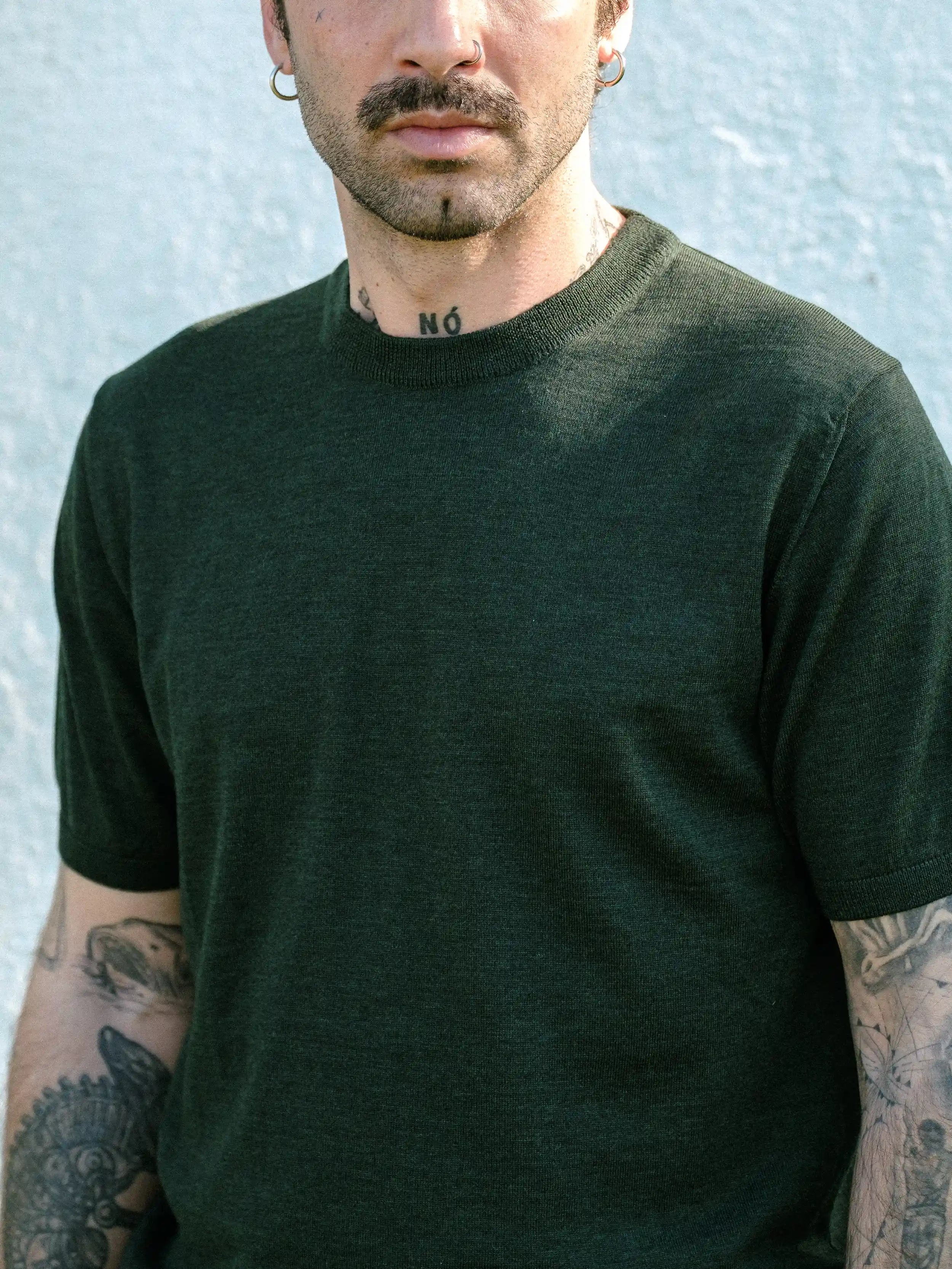
Wool is a material that has been used for centuries. It is breathable, odour-resistant and a natural insulator. We use this versatile fibre for our socks, beanies, sweaters and polos.
We only use mulesing-free wool for our wool products. “Mulesing” is the removal of wool-bearing skin from around the breech of a sheep to help prevent parasitic infections. We source our wool from mulesing-free farms in South America.
The wool we use is RWS- or GOTS-certified, which means that specific social and environmental criteria apply to the farms and relevant stages of the supply chain, such as spinning and dyeing.
Our wool products







More Materials
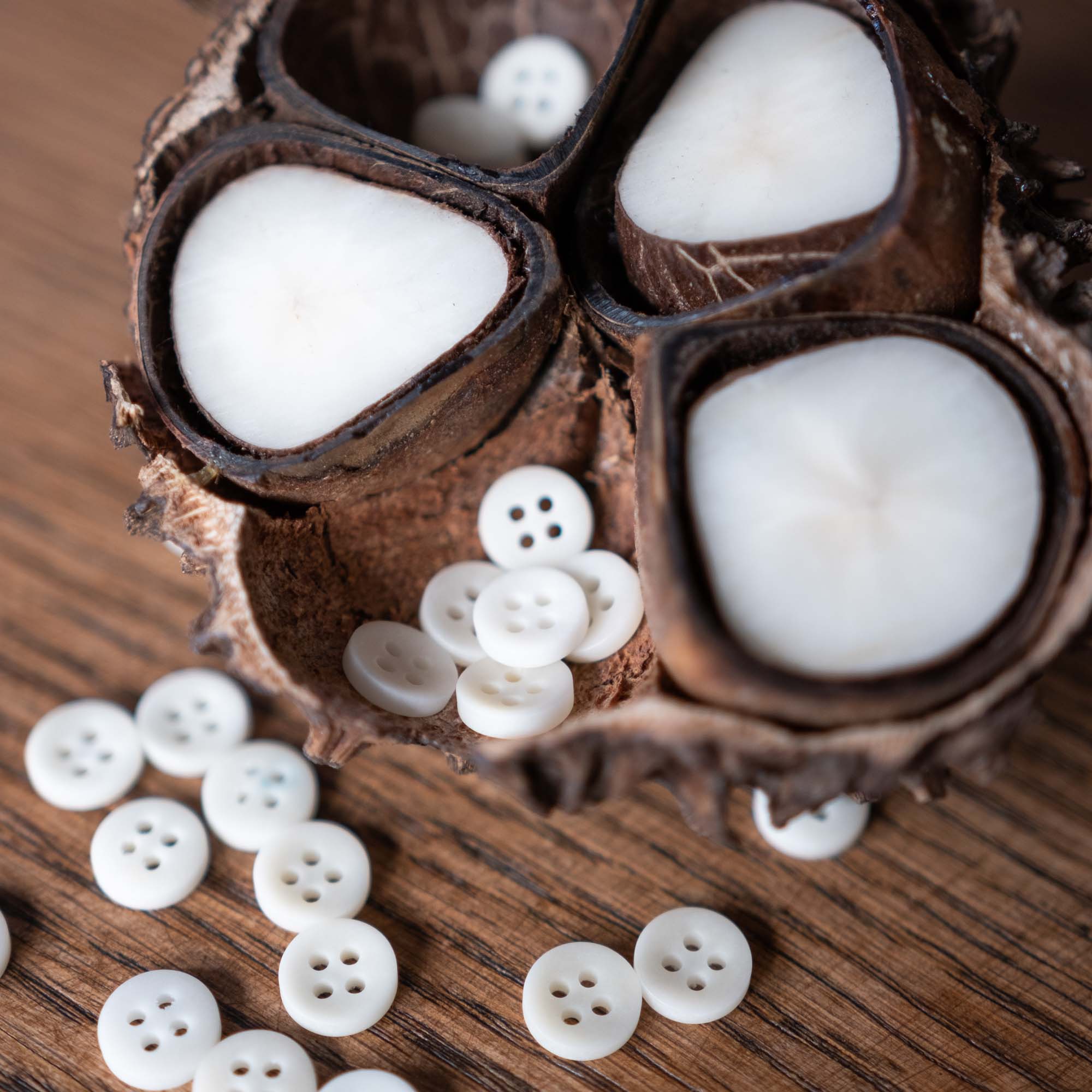
Corozo Buttons
We do not use mother-of-pearl or plastic buttons. Instead, our buttons are mainly made from Corozo, a natural material derived from the seeds of tagua palms, often known as tagua nuts. For a few of our shirts we use buttons made from bioresin. This is a material made from renewable, plant-based sources instead.
Our buttons are made in Portugal. The white buttons used in most of our shirts showcase Corozo's natural color without dyeing.
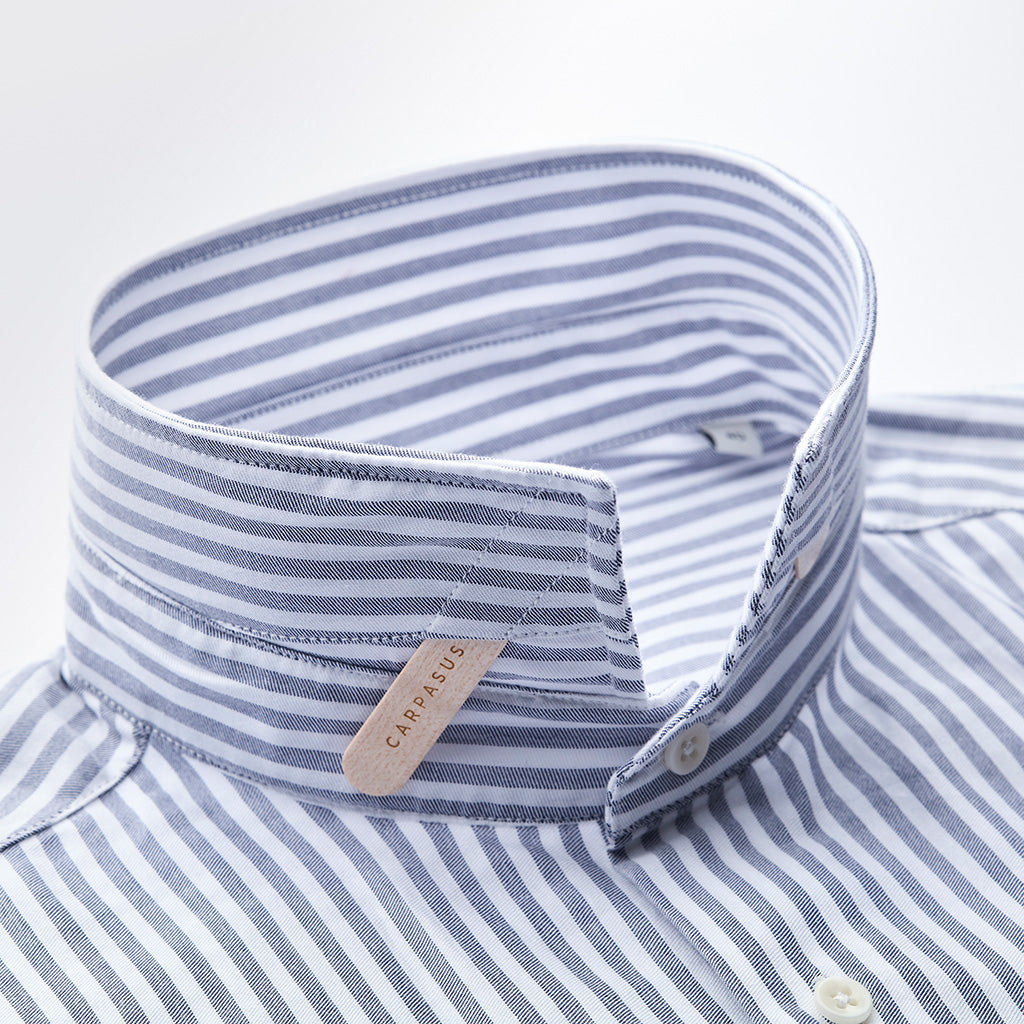
Wooden Collar Stays
Our Dress Shirts are all equipped with wooden collar stays. This makes the collar more stiff and adds to your formal attire when wearing one of those shirts. The collar stays are removable and we advise you to remove them before you wash the shirt.
Our collar stays are made by a supplier in Southern Germany from FSC maple wood.
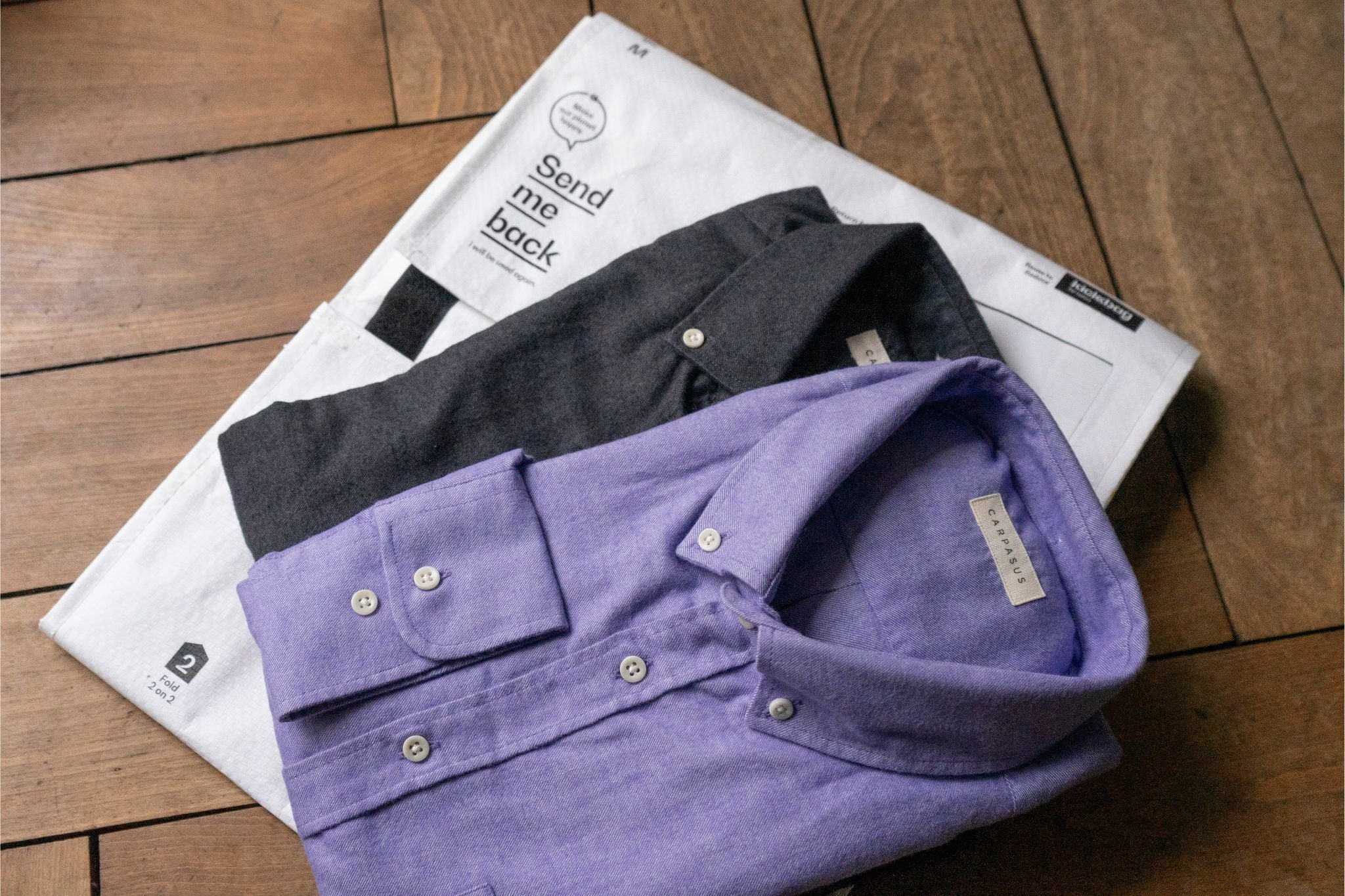
Packaging
We try to constantly reduce our packaging material needed to transport our shirts from our suppliers and to our customers. B2C customers receive our shirts in a cardboard box that is made from recycled cardboard. All our B2B re-orders and parts of our B2C orders within Switzerland are shipped with reusable "Kickbags®".
B2B customers receive our shirts packed
in a re-useable polybag made from recycled plastic. The polybags are returned to us are then reused for future deliveries from our suppliers.